Plant flower colours
Plants' flowers are notoriously difficult to photograph with good colour accuracy and clematis is certainly one of these groups! Most of these pics are 100% true to life, but if that's not the case (it'll only ever be marginal, still,) I will indicate where relevant.
All images are copyright!
Clematis 'Suzy
Mac' - click to enlarge
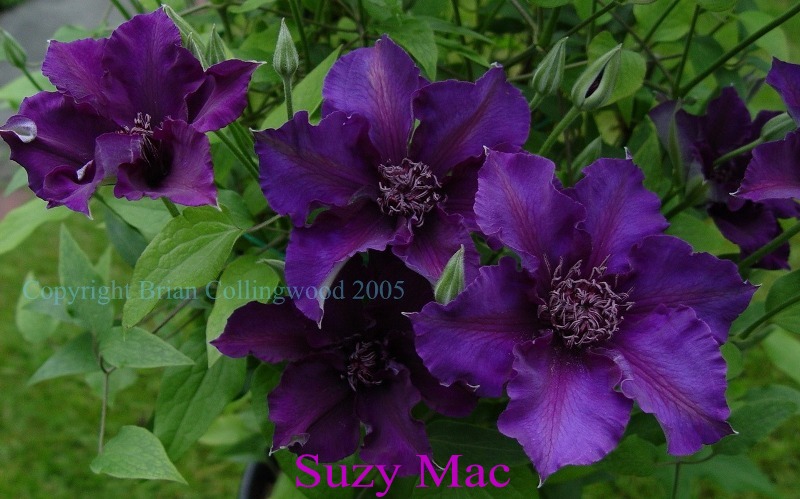
For further information on this plant click this link
SOME NEW PLANTS
Most (but not all) of these new plants possess only a seedling reference code number, with only one or two having a formal name proper.
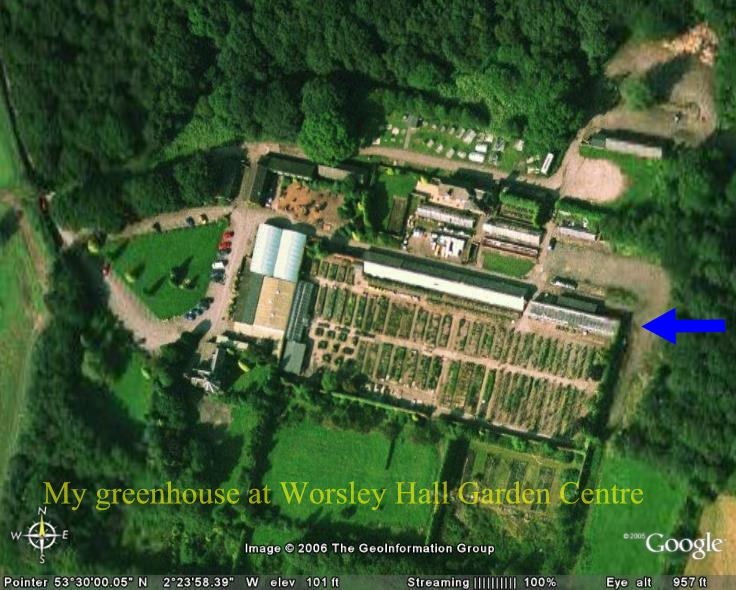
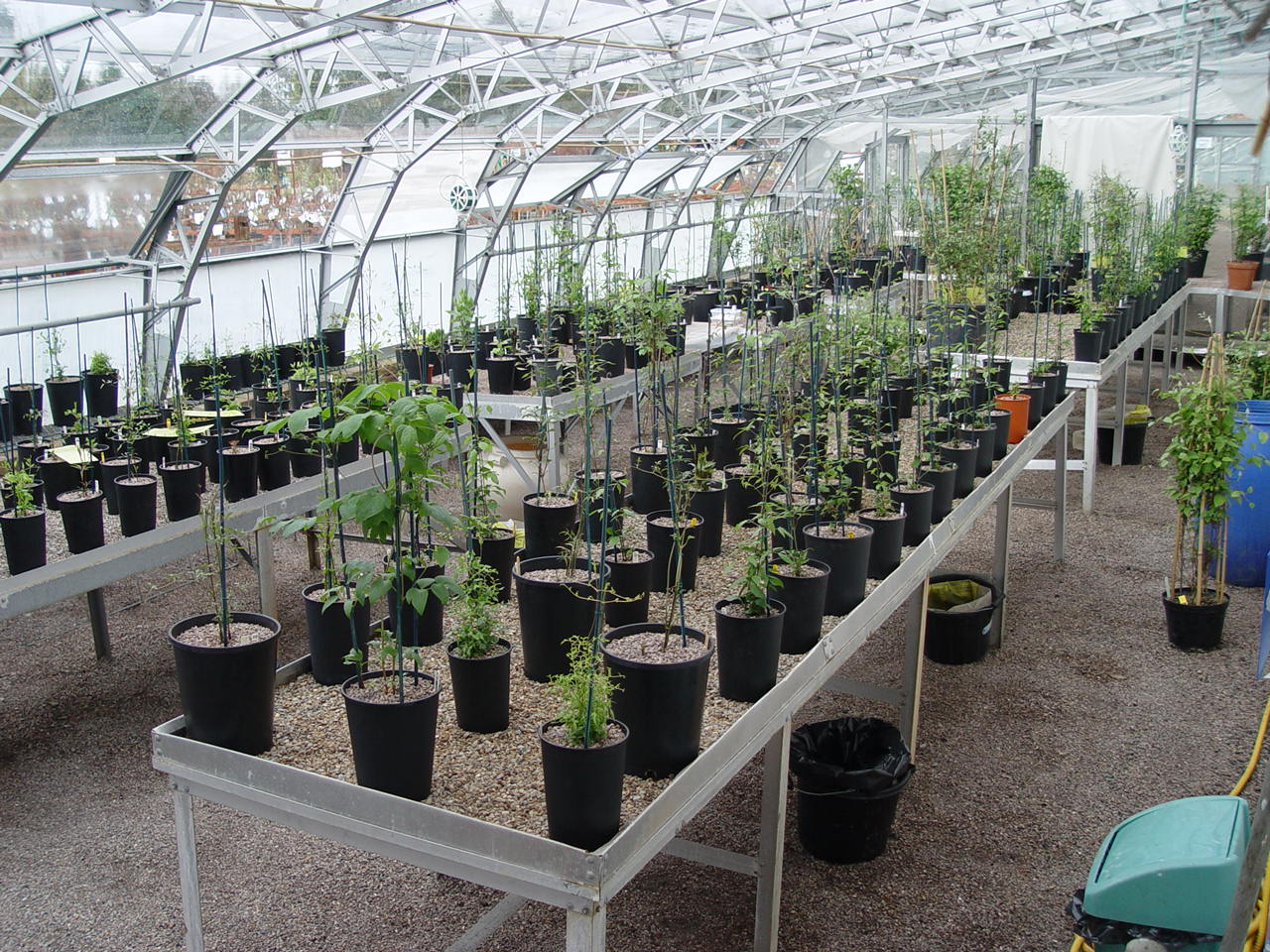
My greenhouse from Google Earth
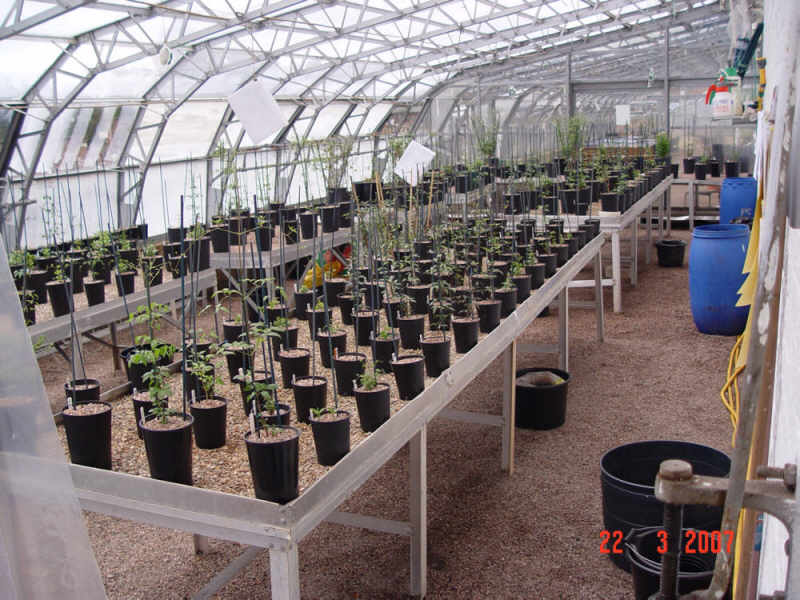
The house in March
June
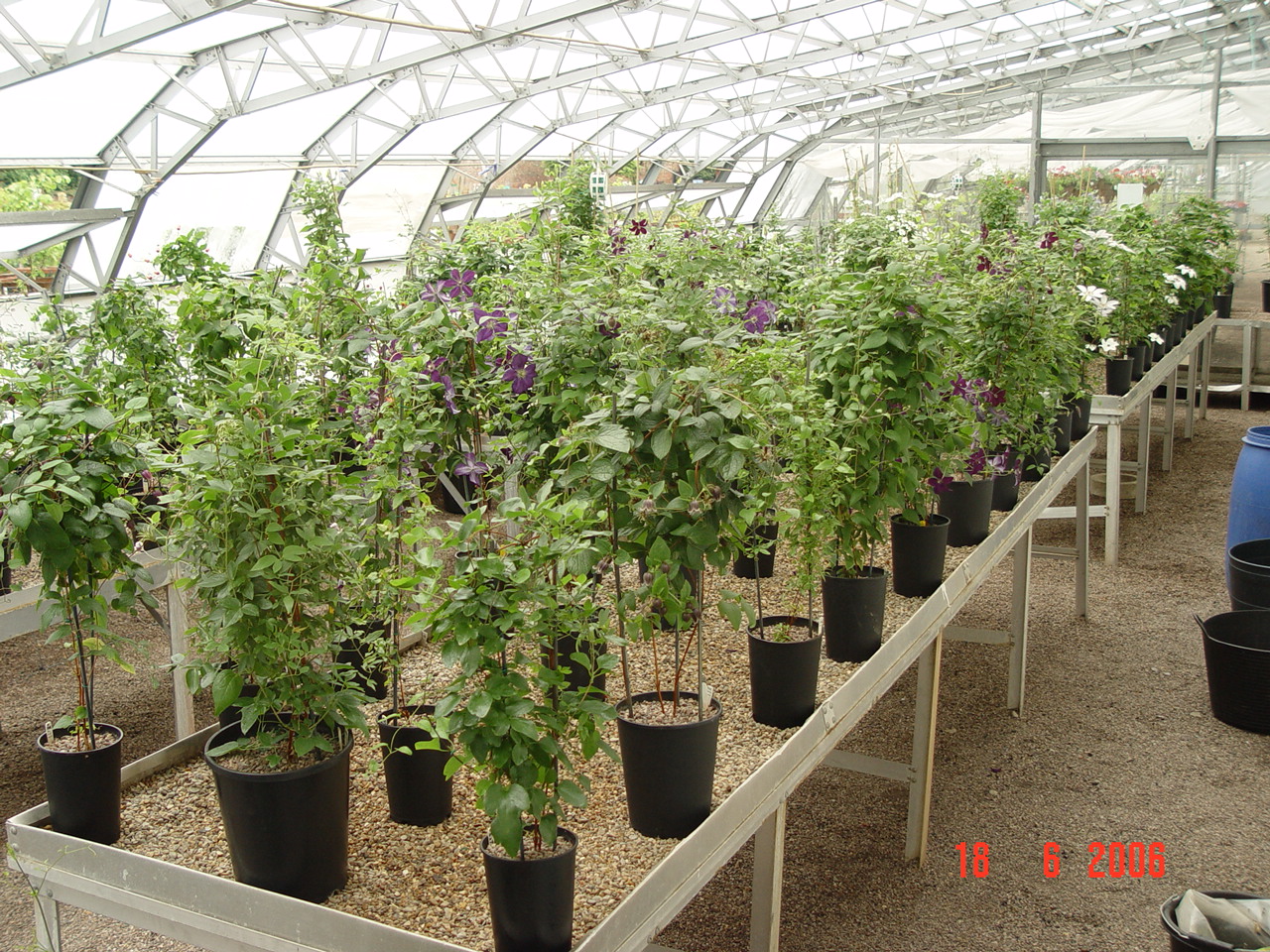 Note "Varishade" on glass
All images are copyright!
Seedling G132A
.jpg)
.jpg)
.jpg)
New hybrids involving the species clematis florida are exceedingly rare. This new blue-flowered plant is extremely attractive and with any luck the seedling will flower in profusion just like it's seed-parent. The normal species is white, as per the third photograph, showing the new plant plus the species, side by side.
Seedling G134C
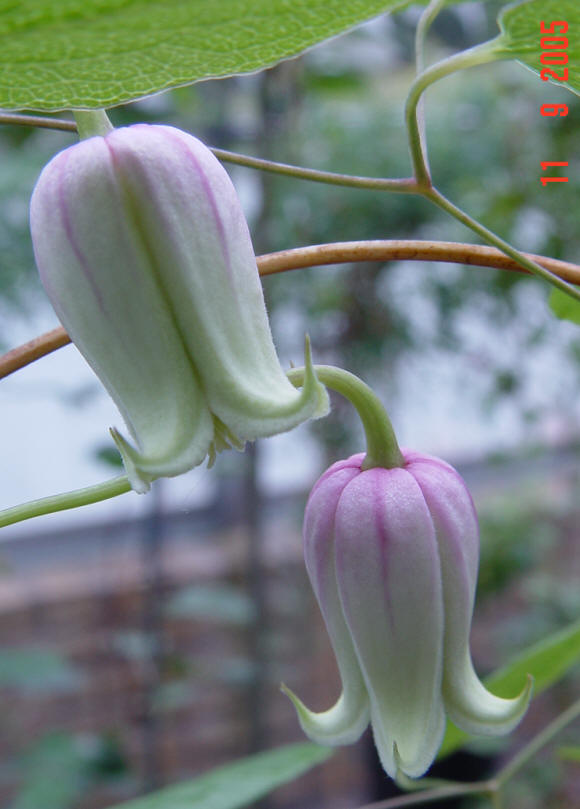
Not all clematis have large open flowers - this seedling is a hybrid from a group of clematis native to North America - the VIORNAE. The flowers are nodding or pendant urns and are very beautiful, (as is the foliage). These plants are sometimes compatible, for breeding purposes, with their large-flowered cousins, and crosses between the two groups are highly exciting and most sought-after; See below for an example.
Seedling G135C 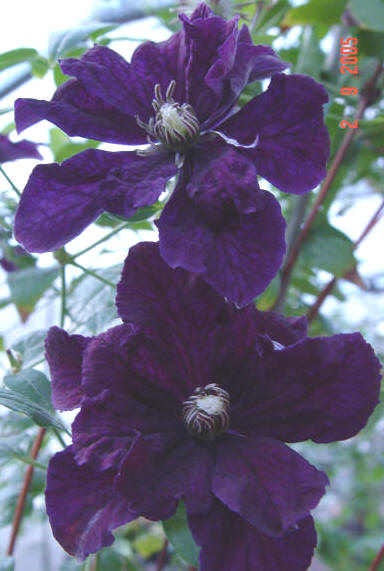
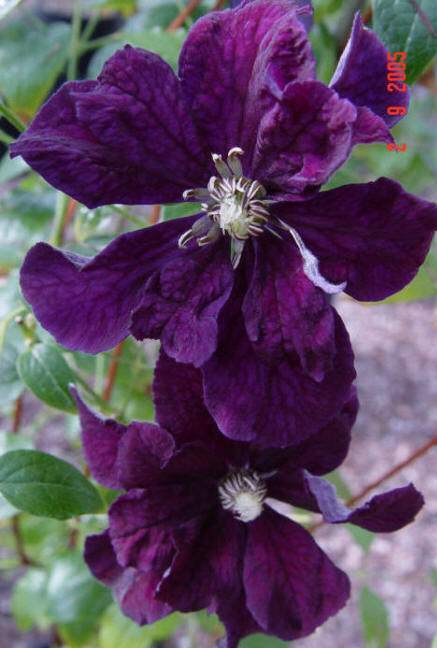
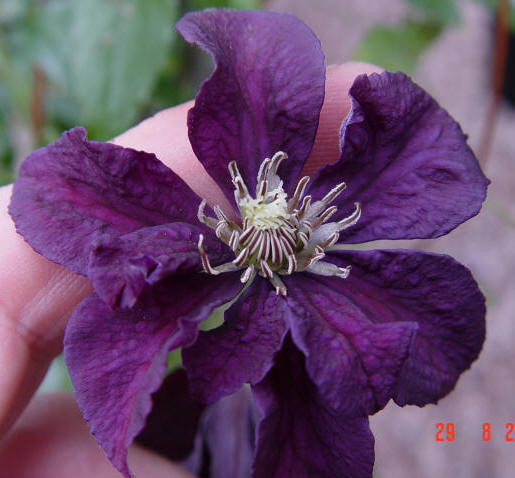
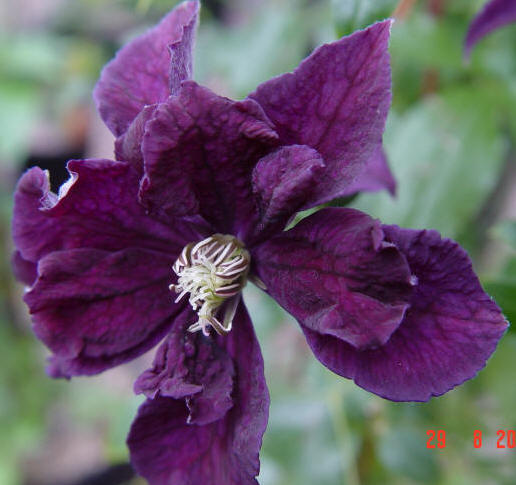
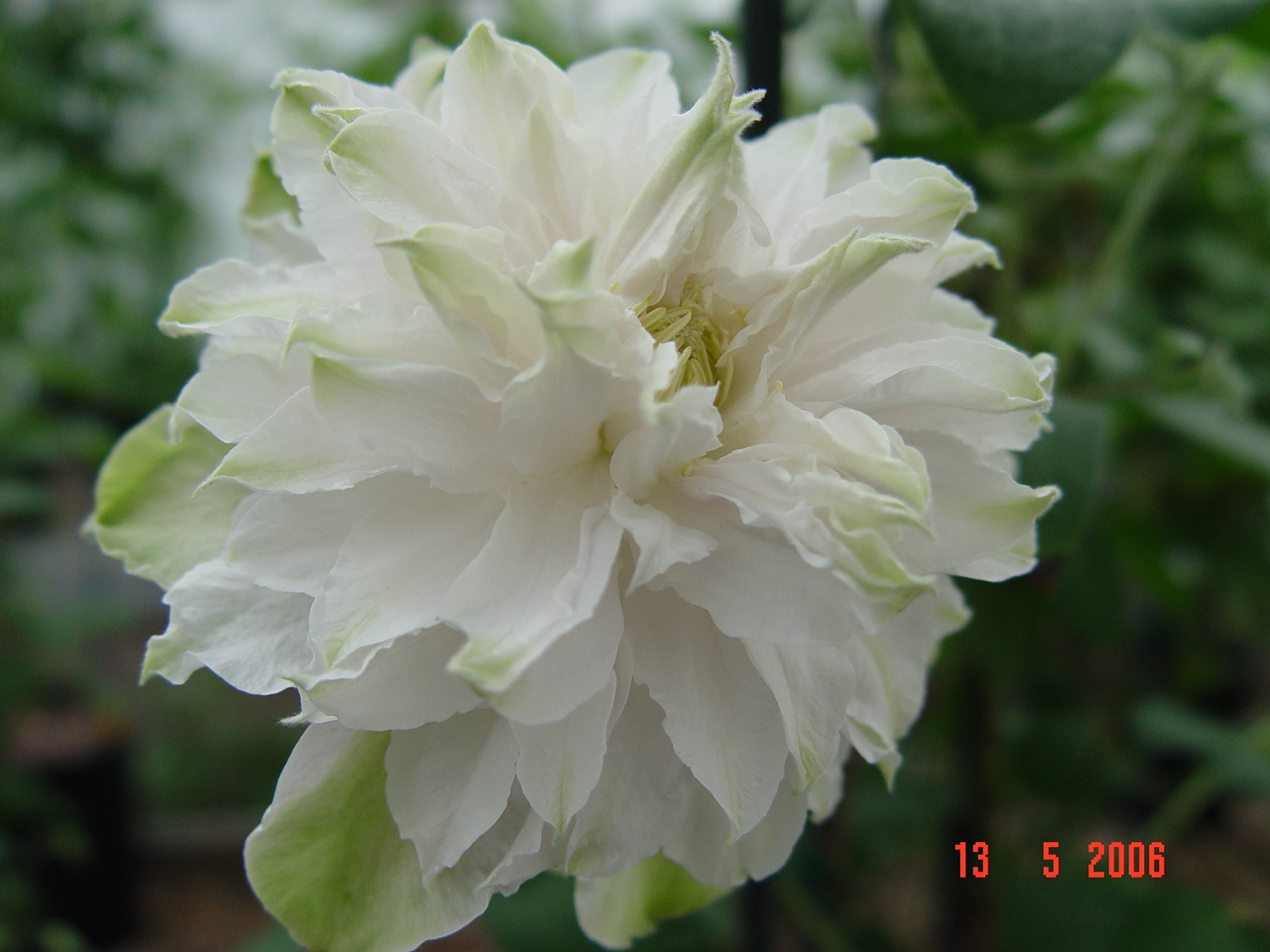
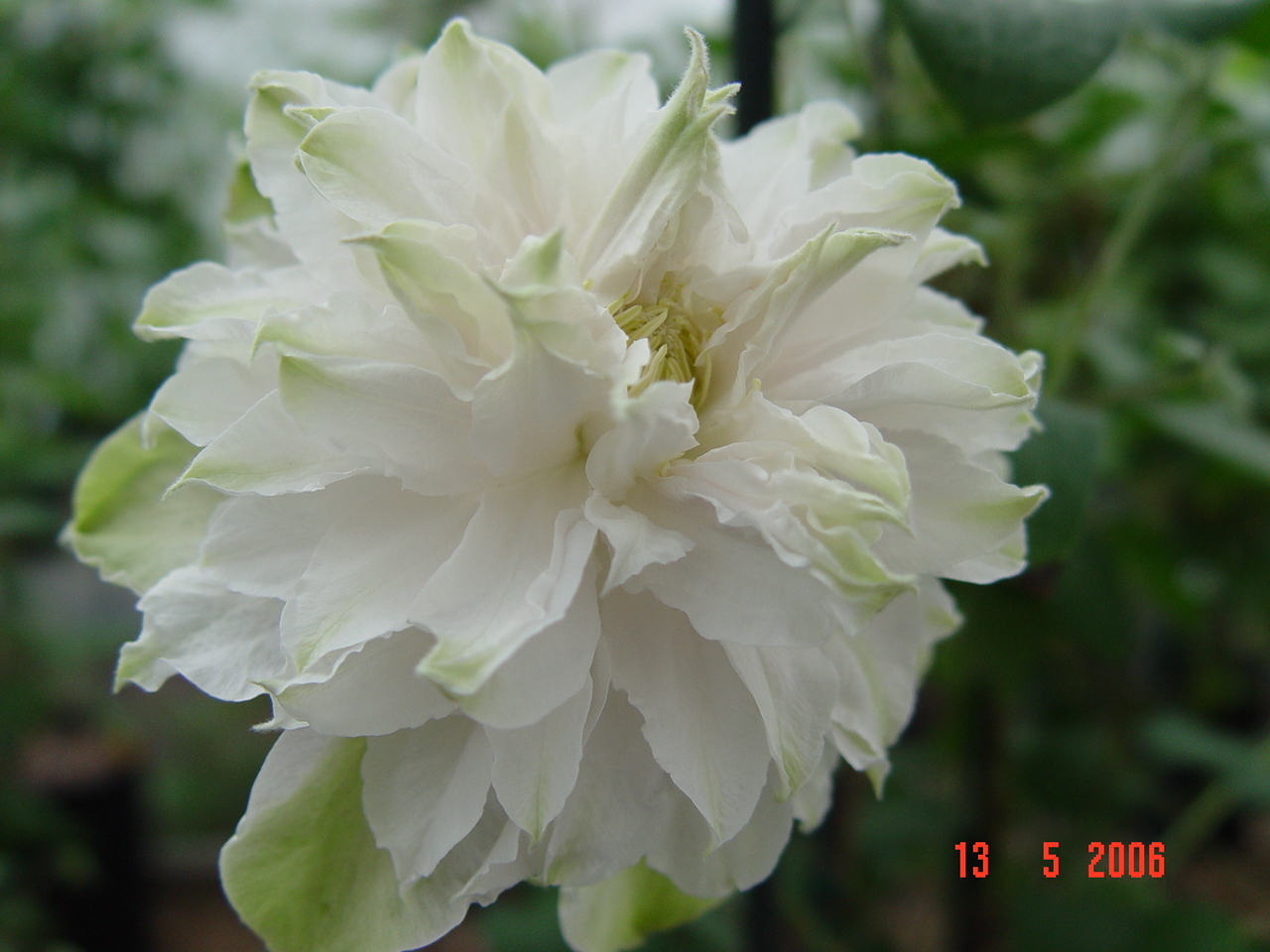
The "viticella" group of clematis are those which generally flower a little later in the season (on the current season's new vines) but produce a wonderful abundance of flowers on a hardy climbing plant. 'Once in a blue moon', if you are very lucky indeed, a semi-double or double-flowered plant may arise, such as the above. The flowers at first look a little ragged but en masse the effect is dramatic and striking, particularly if the colour is good. In this particular case the images only give a rough guide to the colour, the real thing being slightly more blue. We'll have better images next season!
Seedling G135E
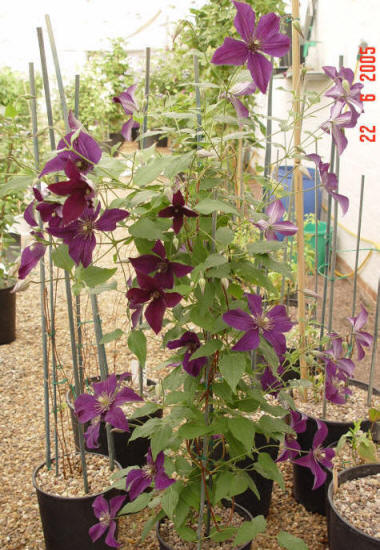
Even while still just a tiny young seedling, growing on two short vines only, and at very first flowering, some plants can still display a tendency to produce blooms in great relative profusion. One such example is the above seedling, which, as a mature plant, would be a spectacular sight in any garden. Such plants are of course selected and earmarked for trials, as soon as the characters become noticeable.
Seedling G136A
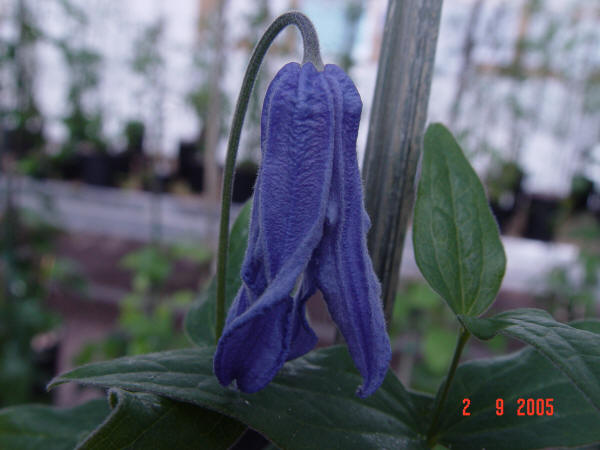
A fine and beautiful new integrifolia-group hybrid seedling produces its first ever flower. These clematis produce 'nodding bells' on stalks and are herbaceous and non-climbing.
Seedling G138A
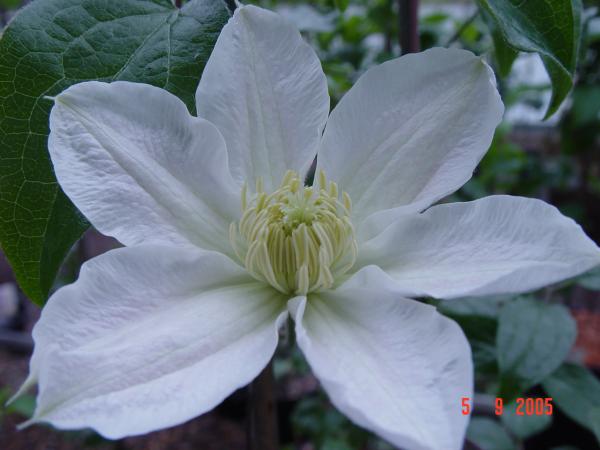 Seedling G138F
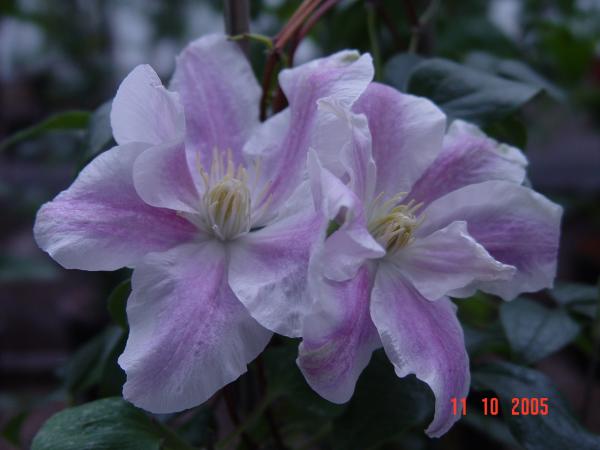
Two new plants from a batch of nine new daughters of the large-flowered clematis "Helen Cropper". Large-flowered hybrids' seeds do not "come true" - the daughter seedlings almost always differ, to a lesser or (usually) greater extent from the parent, in colour or form. The first is a plain white with attractive buttermilk-yellow stamens, the second bears a darker central bar on the sepals and looks to be an interesting, striking and beautiful new plant.
G157 Clematis texensis
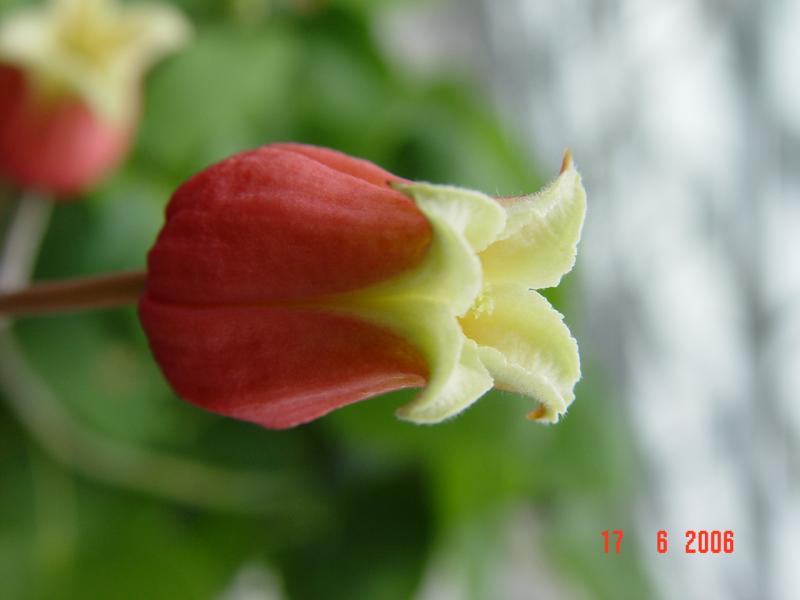
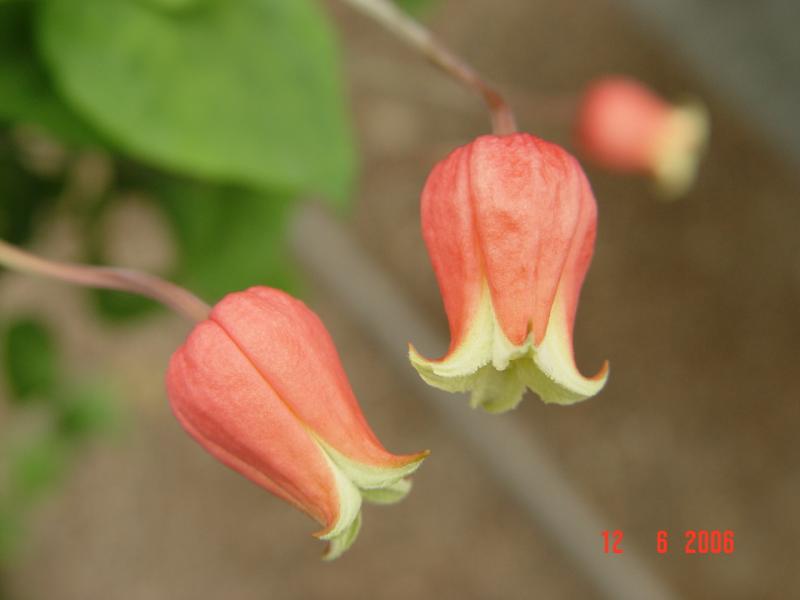
A famous and much sought after species of clematis native to the Edwards Plateau area of Texas, North America. The plant is sometimes referred to as "the Scarlet Lady" on account of the beautiful tubular red flowers. There are variations in the colours and form of the flowers within the range constituting the species. The flowers can be very attractive indeed and, under glass, may be borne over several months of the later spring and the summer. This "all-red form" seedling was grown from seed received from the USA, germination of this plant occurring in December 2004.
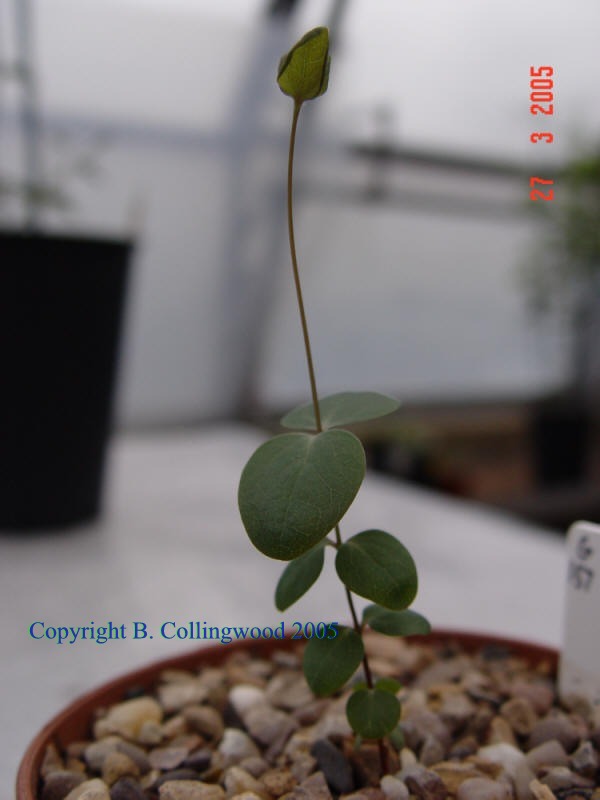
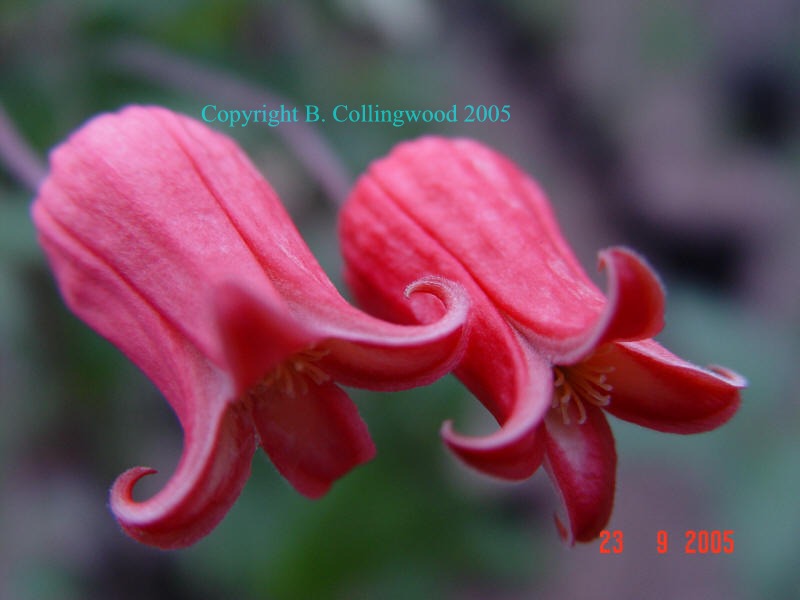
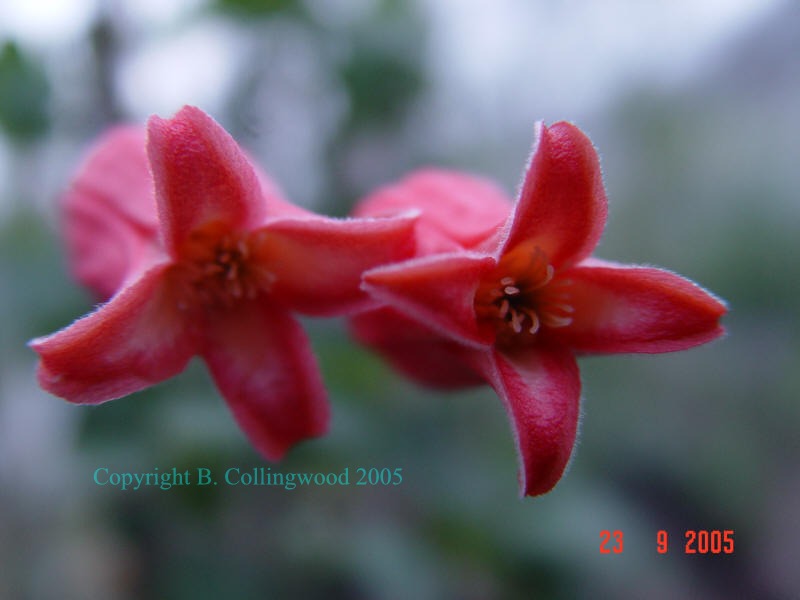
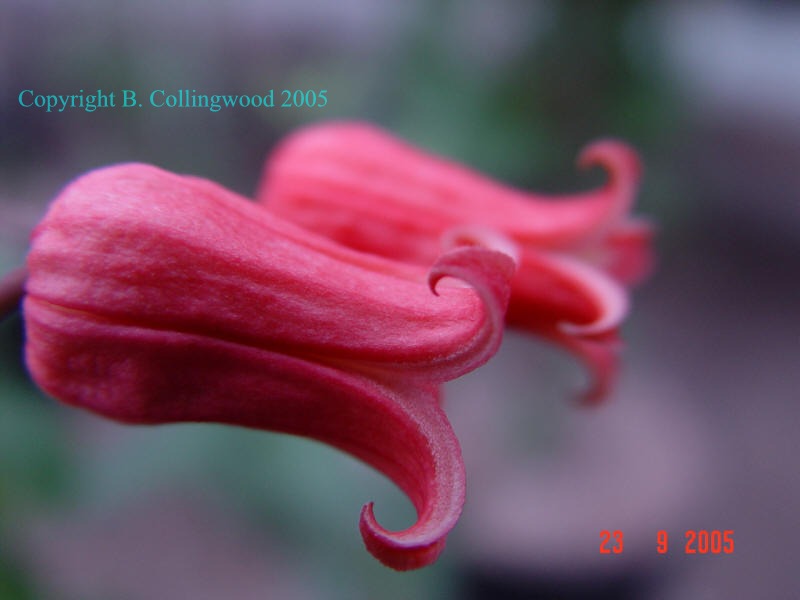
The plant is difficult to reproduce, and therefore remains very scarce. In the past clematis texensis has played a significant role in the hybridisation of new clematis cultivars, and continues to do so to this day (and see below G164). Getting sight of the plant, let alone a plant in flower, used to be difficult; I have variants in the collection and viewings are possible from time to time by arrangement with the raiser, at the Garden Centre. For further information about the species click to go to the easy-to-use Hull University Clematis database site and search under "tex" or "texensis".
G164
Every once in a while something comes along which is different. This plant resulted from a hybridisation between clematis texensis (above) and an unnamed newly-raised large-flowered hybrid. The flowers are of a form somewhat intermediate between the tubular or urn-like american species (texensis and others in its group) and the open, flat form of the other. They still display a tendency to the tubular form, but modified into a broad trumpet, and much, much larger. The flowers of this plant are approximately 4 inches in diameter at the open end. The intense deep pink colour is simply stunning, and the plant appears to be very floriferous, and promises to be relatively straightforward to propagate.
The seed parent
 The pollen parent
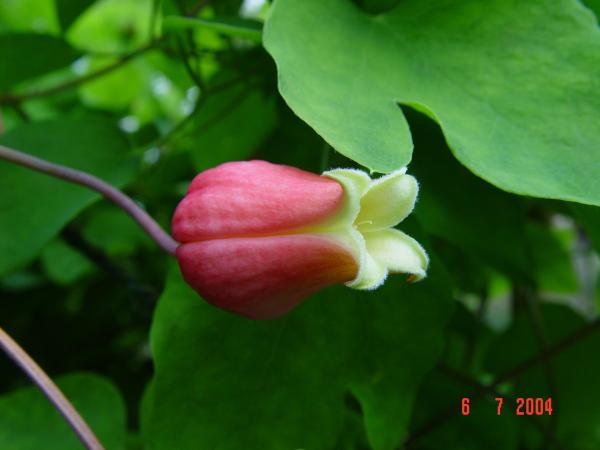
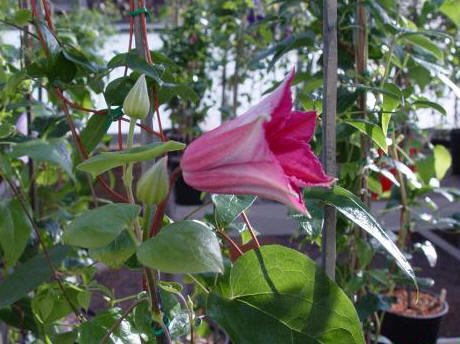
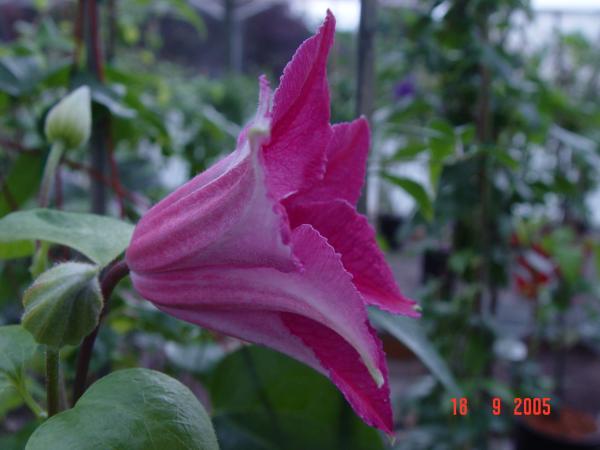
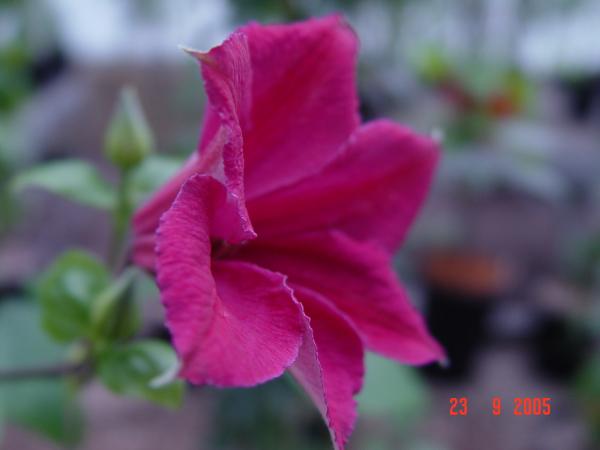
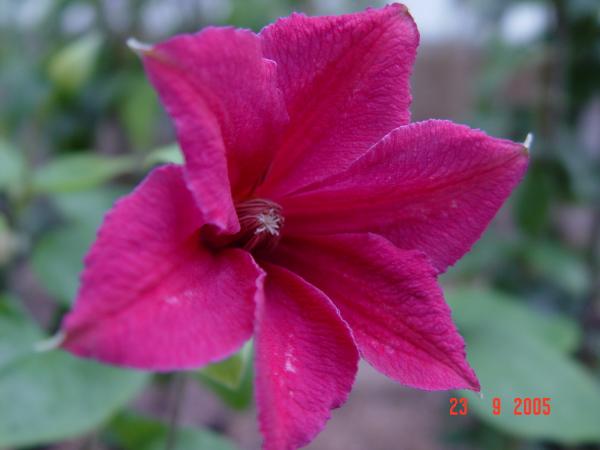
Pollen transferred from the anthers of the texensis species was used to fertilise the flower of the large-flowered hybrid; the seed was then allowed to form and ripen prior to harvesting, sowing, germination, and raising the new plant. Some of the first flowers are shown above.
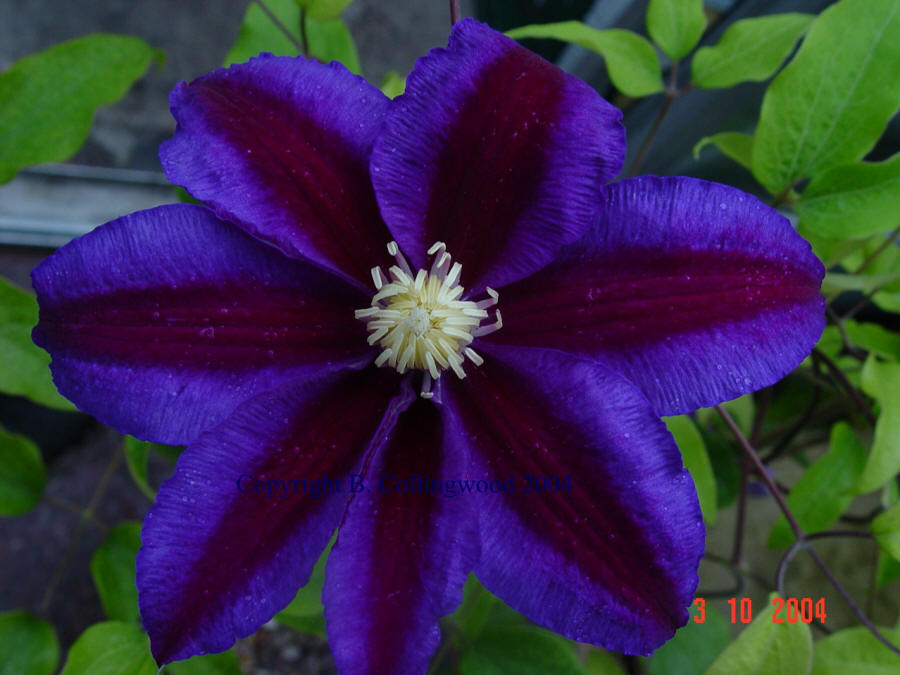
G173H Nina Banham
This is a lovely new large-flowered hybrid. The colours are in fact lighter, when the plant is grown in a garden situation proper, but still impressive; however, the photo below is a glimpse of the true colours of a specimen raised under glass, which sometimes causes variations in plant flower colour.
All images are copyright!
G130B Clematis coactilis
Web reference: click to go to http://dspace.dial.pipex.com/clematis/page56.htm An excellent write-up (for the International Clematis Society website) by the renowned clematis expert Brewster Rogerson.
Click to enlarge images. Once an image has loaded, an enlargement icon appears bottom right on mouse-over.
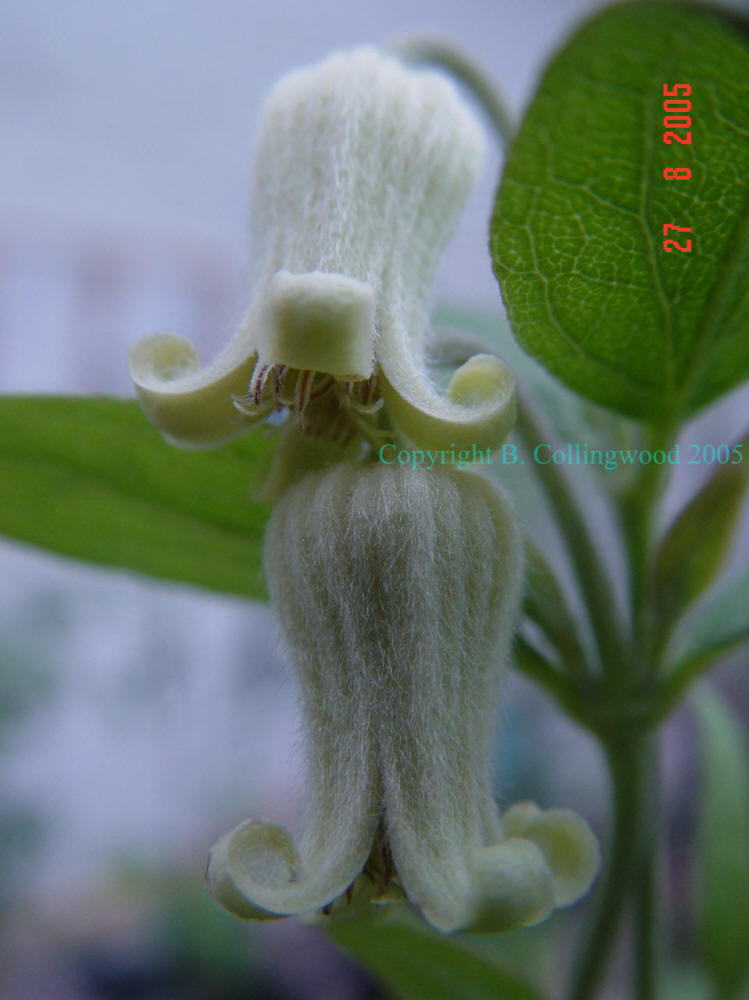
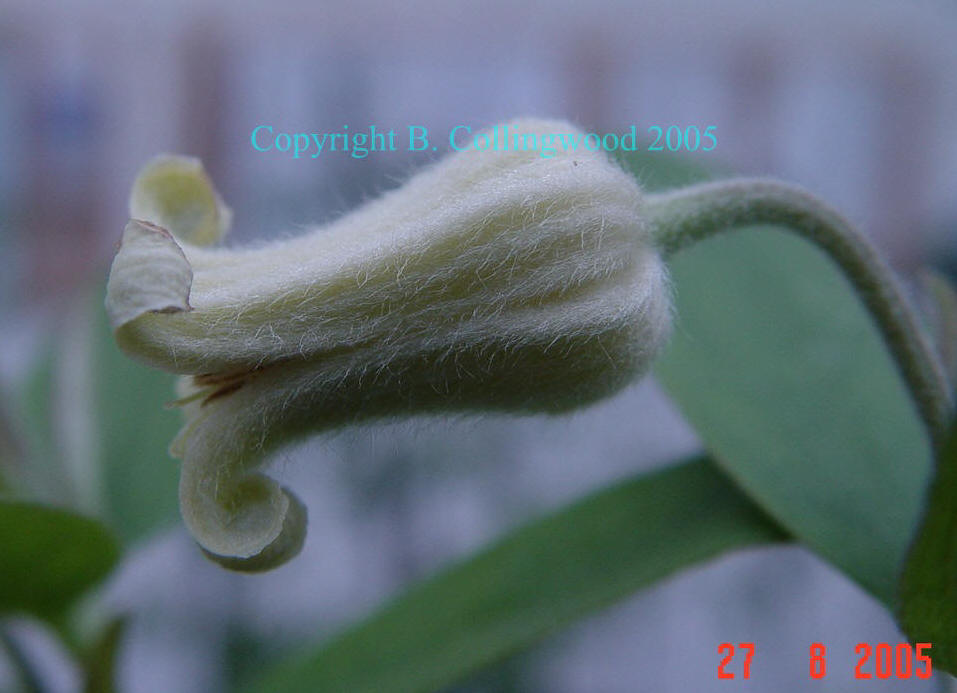
A new seedling of clematis coactilis species, in the greenhouse, first flowers; the parent C. coactilis species plant already a member of the collection. Seed sowed 28-10-03 and germinated 15-06-04 after about 227 days.
A North American species, rarely found in cultivation. The plant produces relatively large flowers - pendant urns - which are covered in dense white hairs, very attractive indeed as the above pictures show. The plant is a member of the "integrifoliae" (meaning "the entire-leaved group") section (of the subgenus Viorna), native to the rocky shale barrens of South Virginia. The foliage is a pleasing soft green and, as per the group-name, the leaf margins are smooth and entire. The plant (were it commonly available!) is herbaceous in character and forms dense clumps over a few years, ideal for the front of the herbaceous border.
The soft, downy hair-coating can clearly be seen in the photos.
January 2006. Update about some new plants in the collection
2005 saw a significant number of new clematis plants in the greenhouse. These were mainly from seeds sowed in the previous two-three years, with one or two exceptions.
There were several new large-flowered hybrids, several species clematis, and a sizable batch of other hybrids derived from a range of sources. Combined with the existing plants from previous years, there were plants in flower more or less continuously through the season. Most of the plants from previous years put on good or even very good shows.
Some of the first-flowerers were quite distinct and attractive, and one or two were ravishing and exciting. This year approximately 70 additional new seedlings are to-hand so far, with a few more probably yet to come, so 2006 looks very promising at this point. Most of the newest plants have resulted from deliberate cross-pollinations between various other members of the collection, so every new plant is priceless, in terms of interest. This is because of the possibility of novel flower forms. This year's hybridisation programme should be up and running relatively early (May), so if you are interested in seeing the process, let me know and I will se what I can do in terms of a visit.
Some new flowers from 2006 from here, as the season progresses.
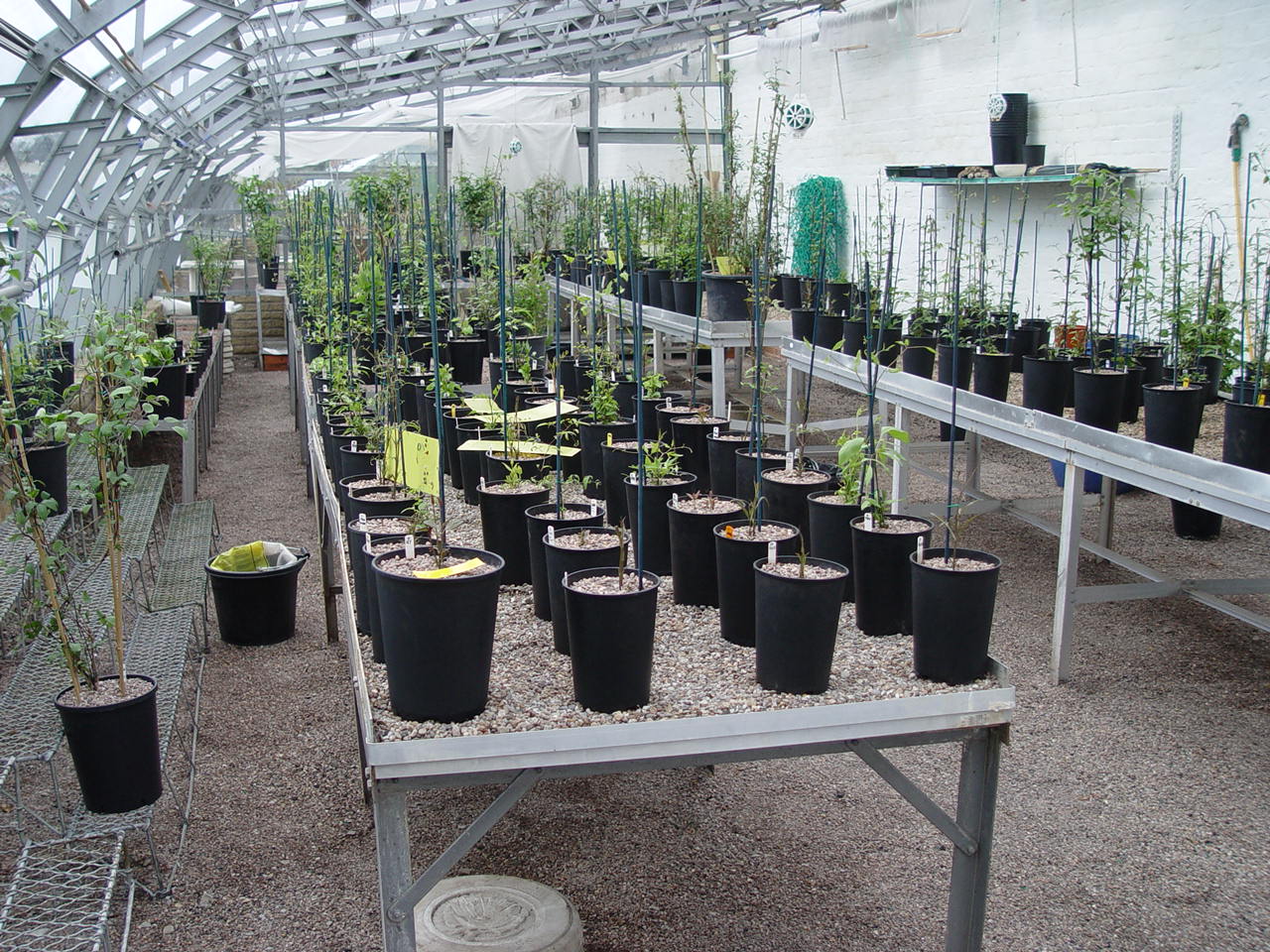
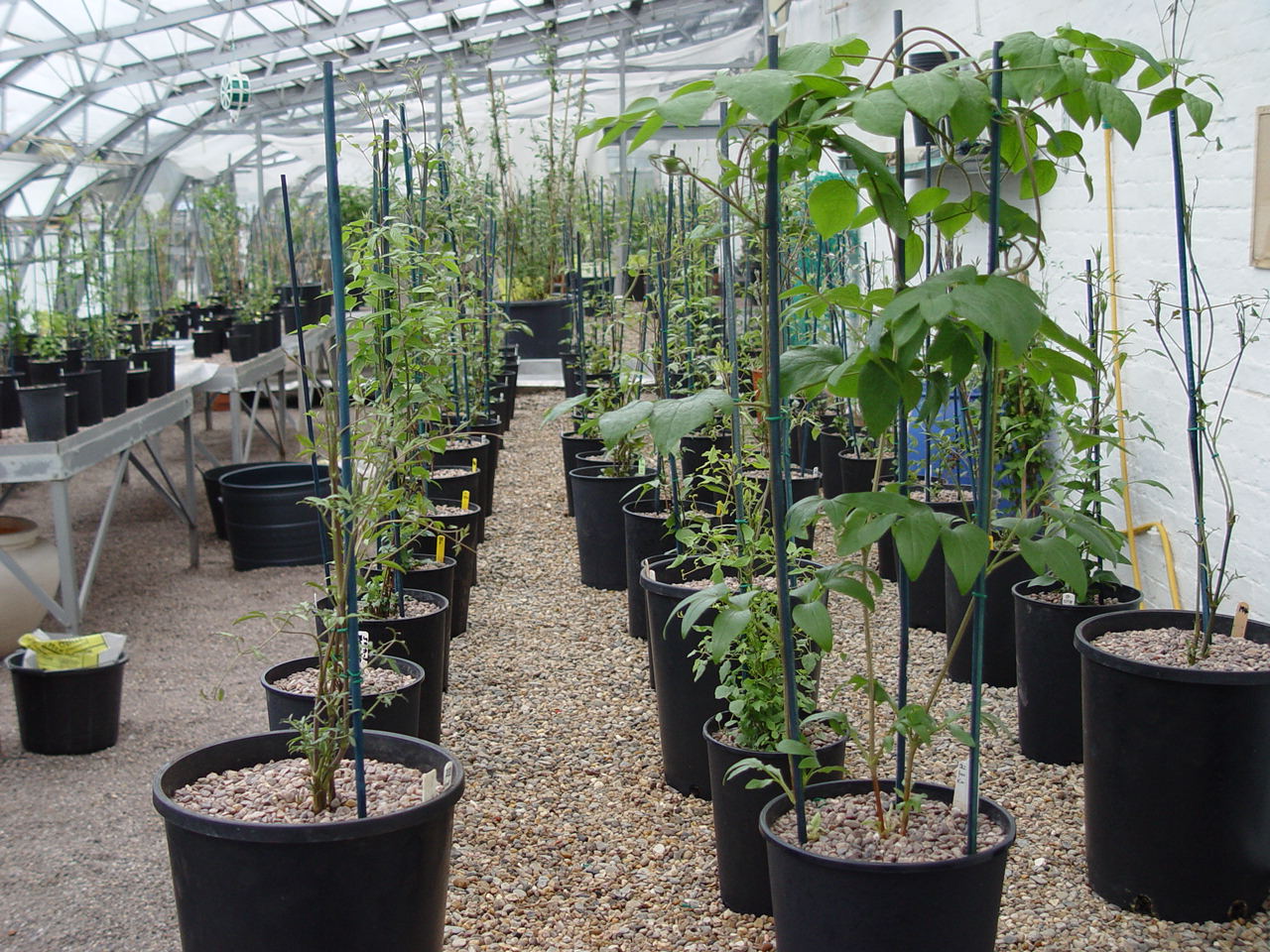
Some pictures of the house in late March and then early April.
Late March

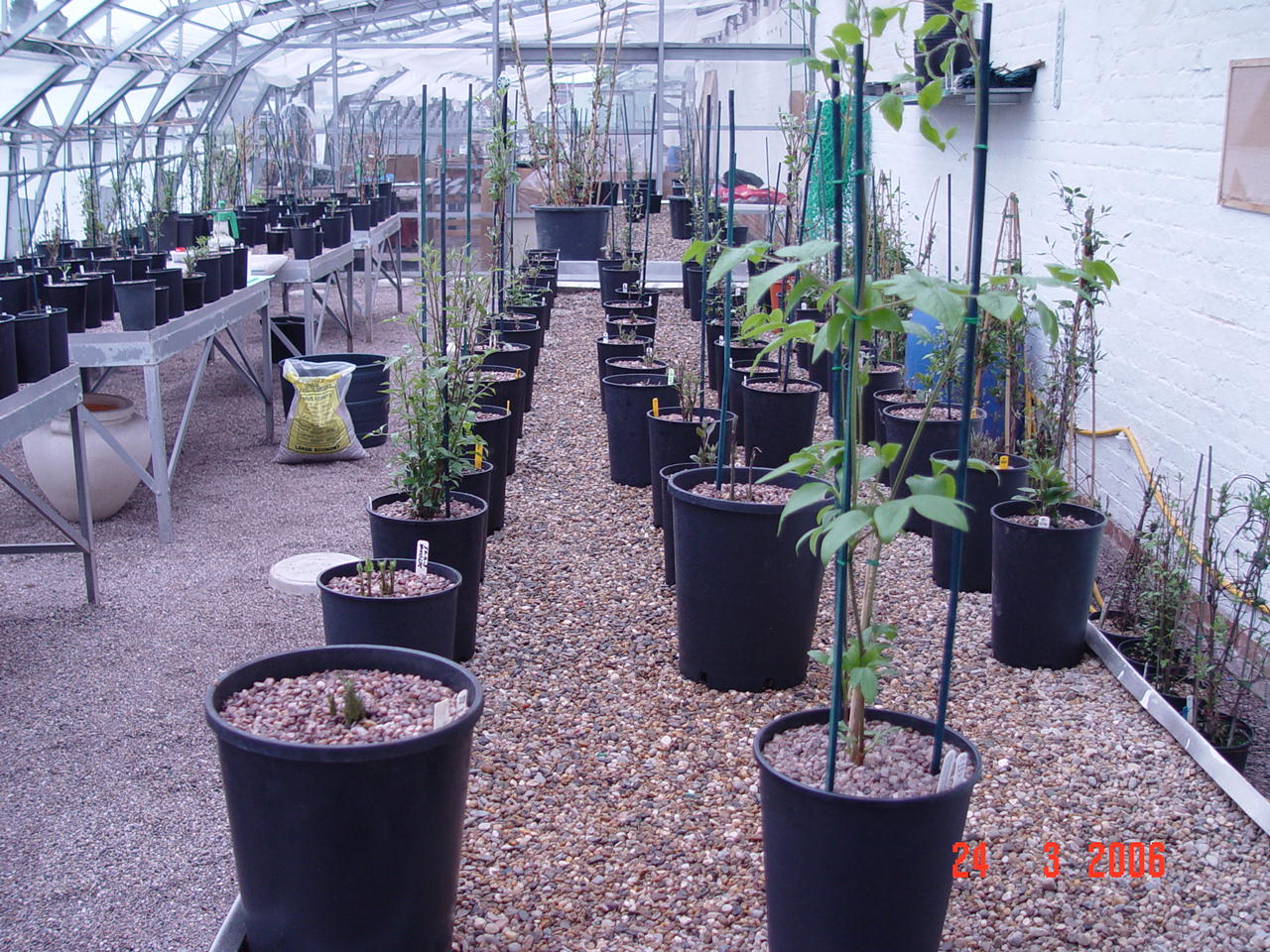
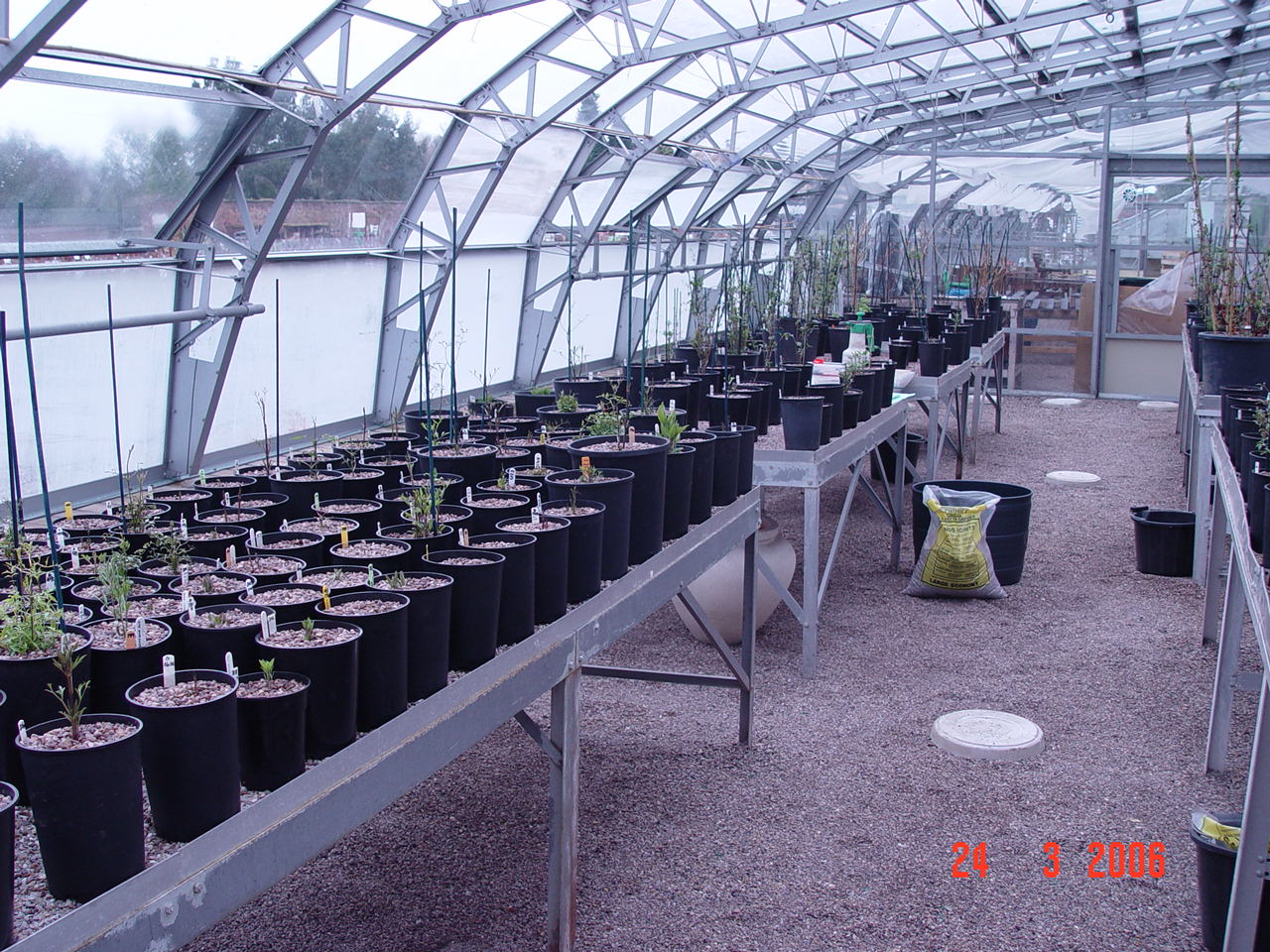
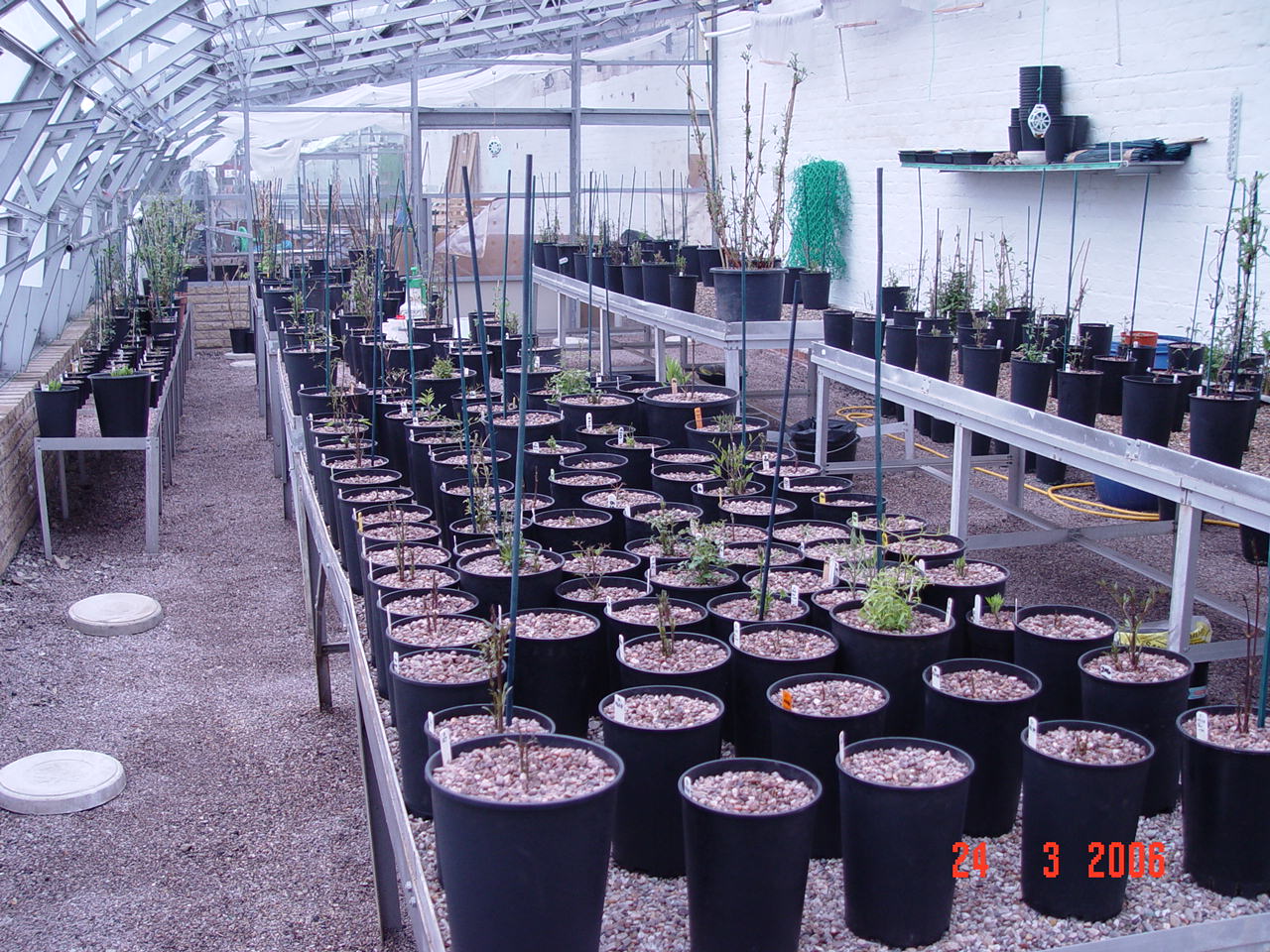
Early April
G138I Further info to follow
A few plants currently in flower: June 19th 2006
The images are copyright B. Collingwood
NS = new seedling. All others from last year, or previous years in a very few cases.
G48C
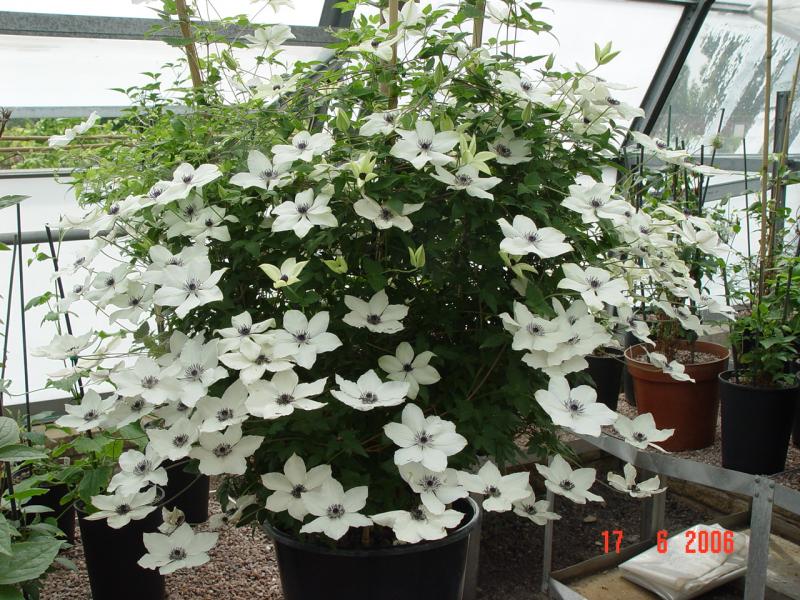 C. florida "Monique"
G55A
 clone 2
G55A
G55E
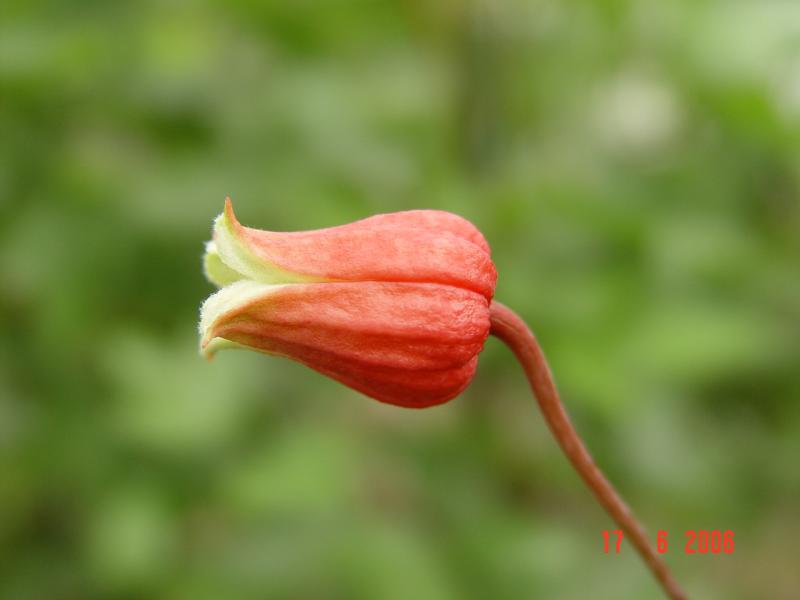
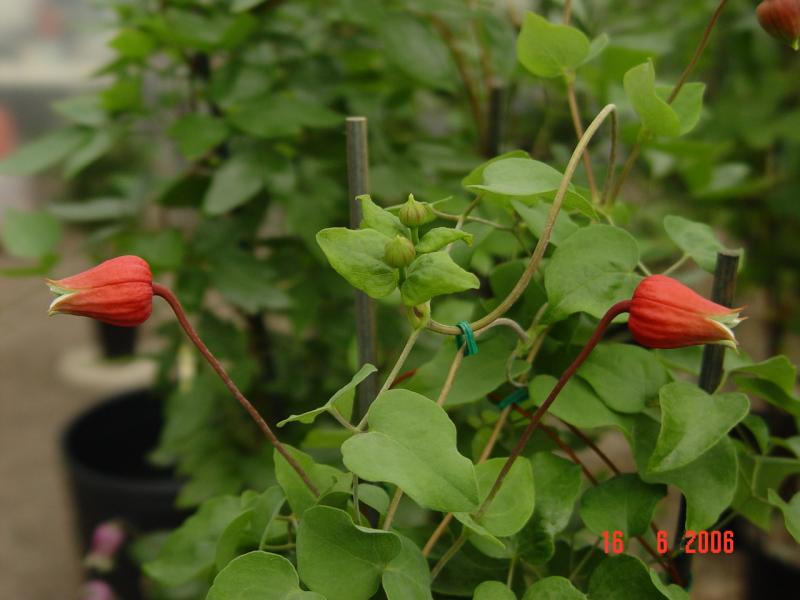
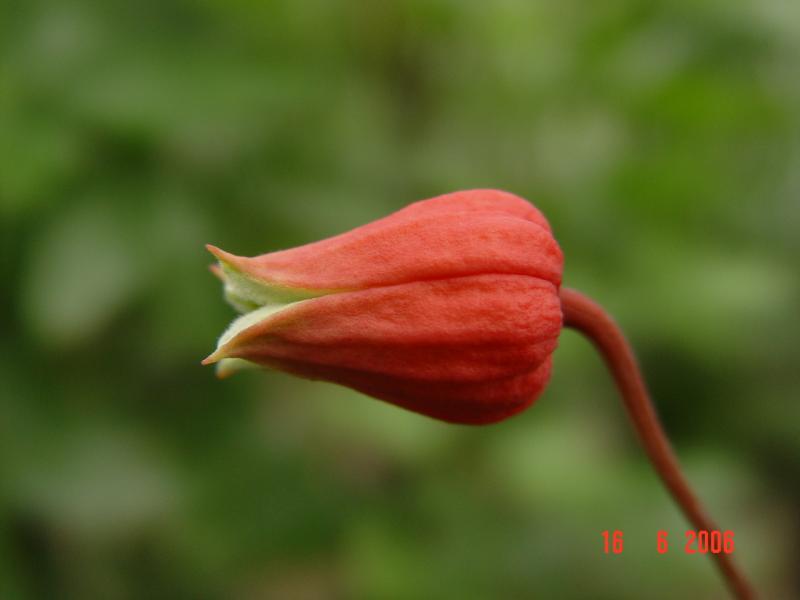
G77A
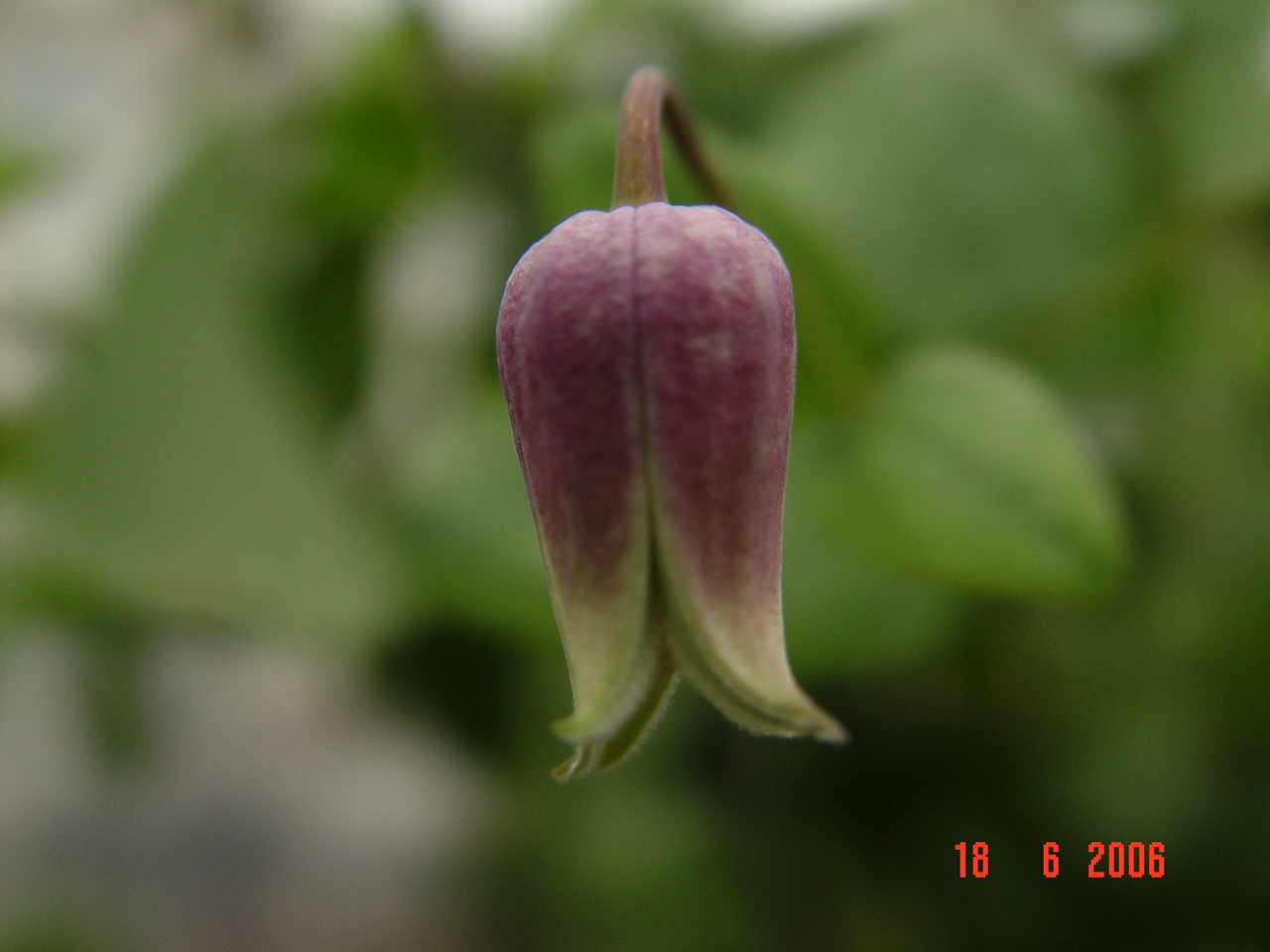
G120A
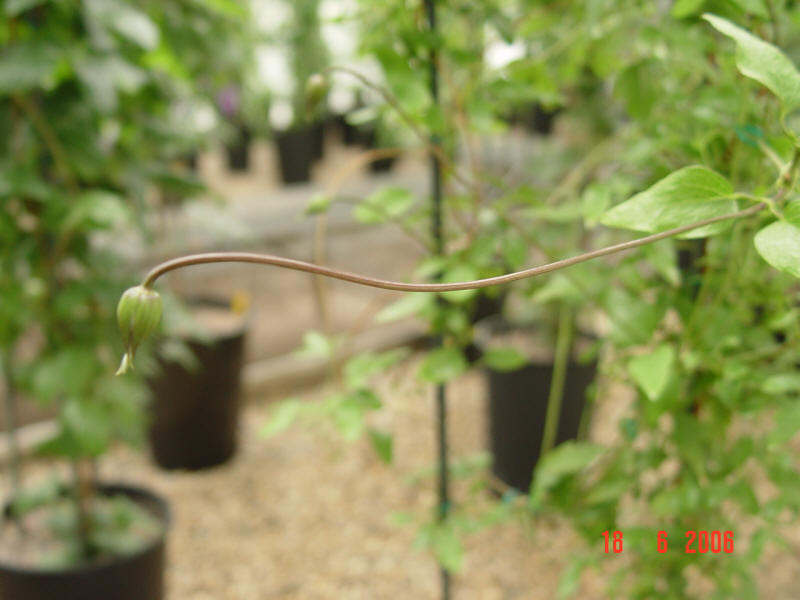
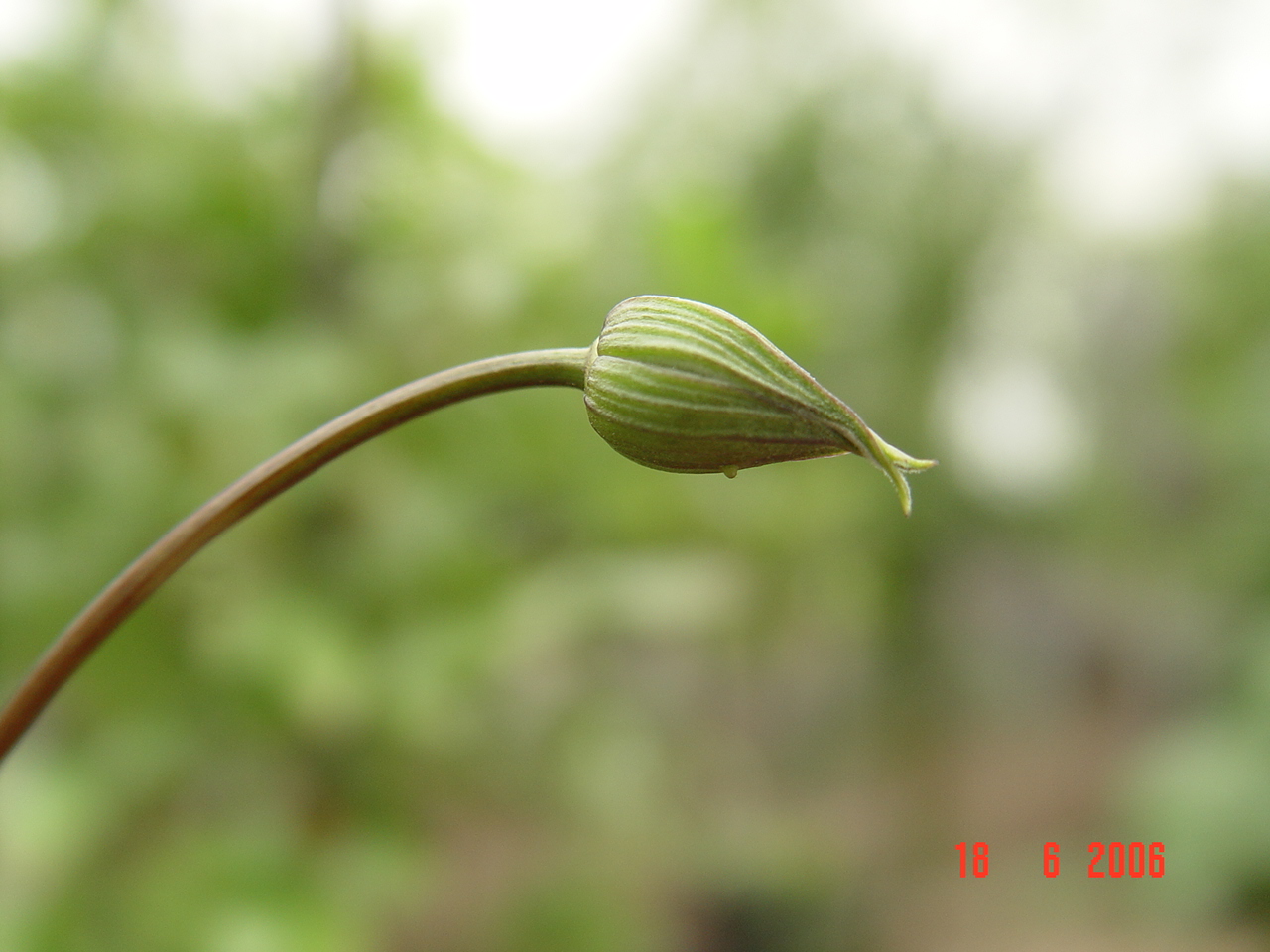 germinated March 04 very eagerly awaited
NS G130B
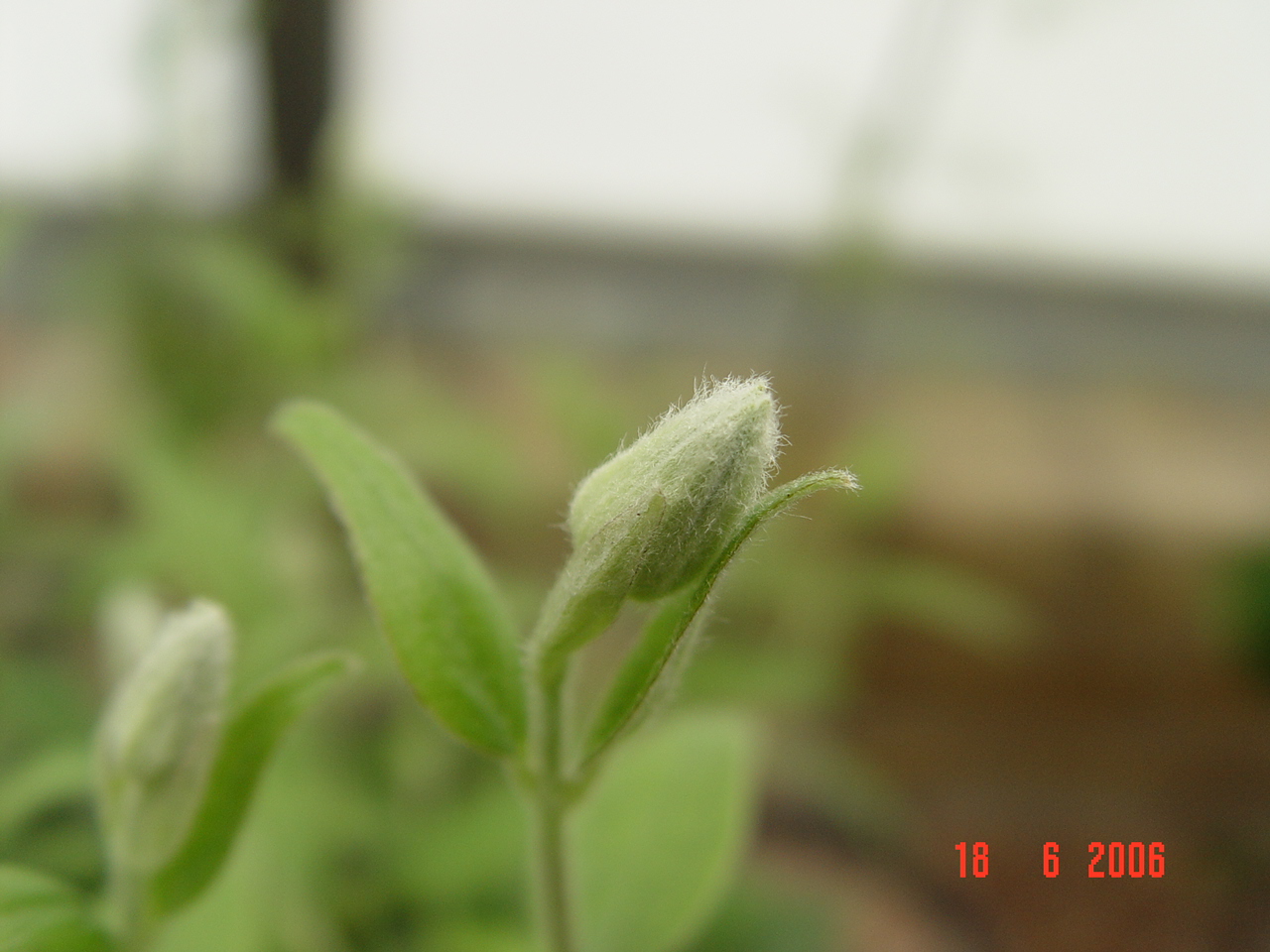 C. coactilis second batch of flowers forming
NS G132C
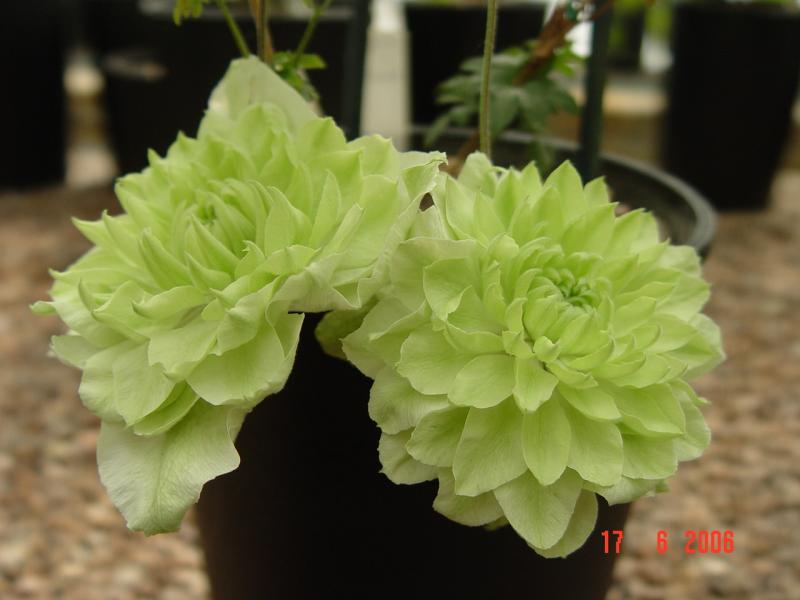 early flowers, not fully coloured yet
NS G134F
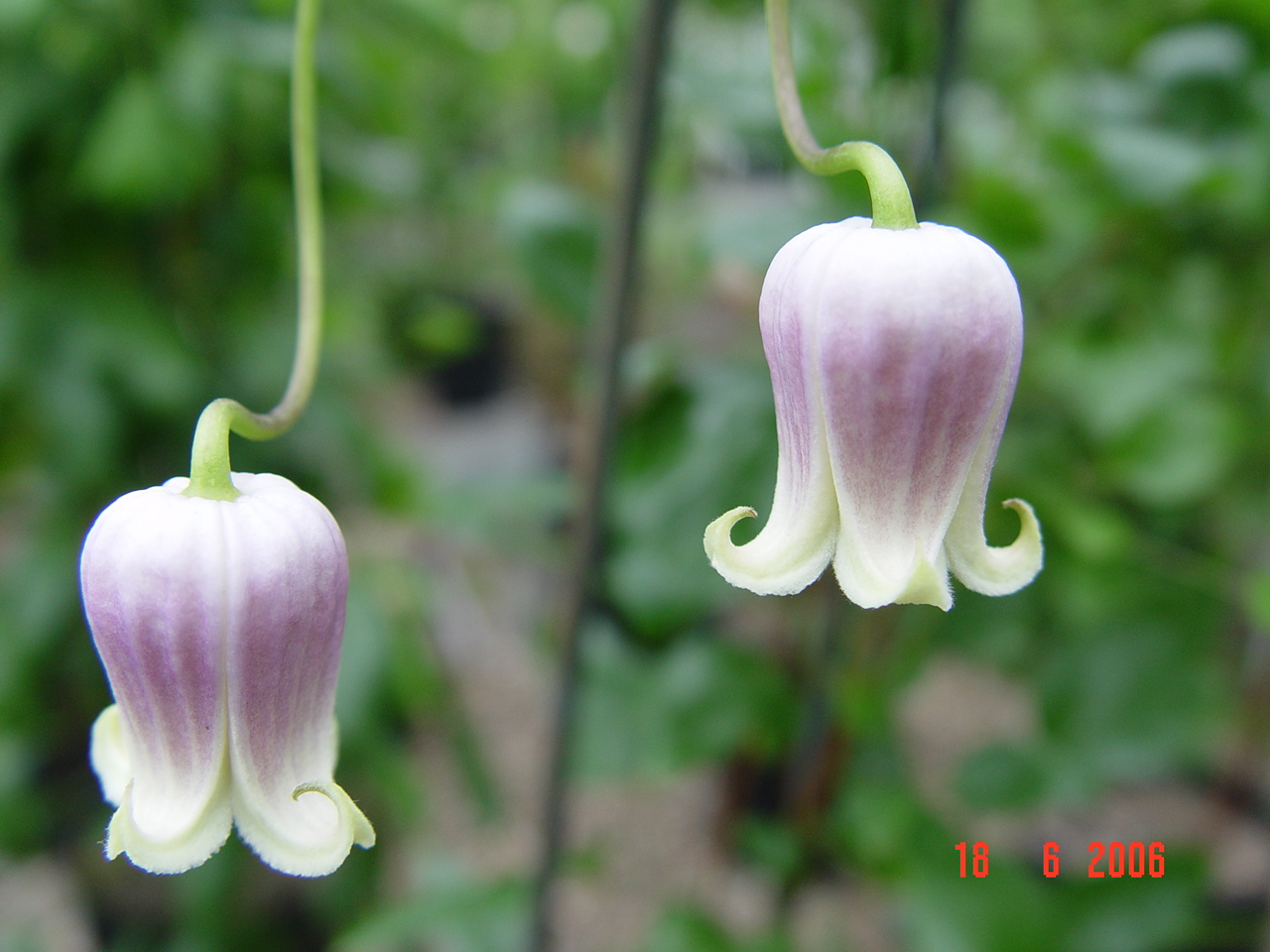
NS G134C
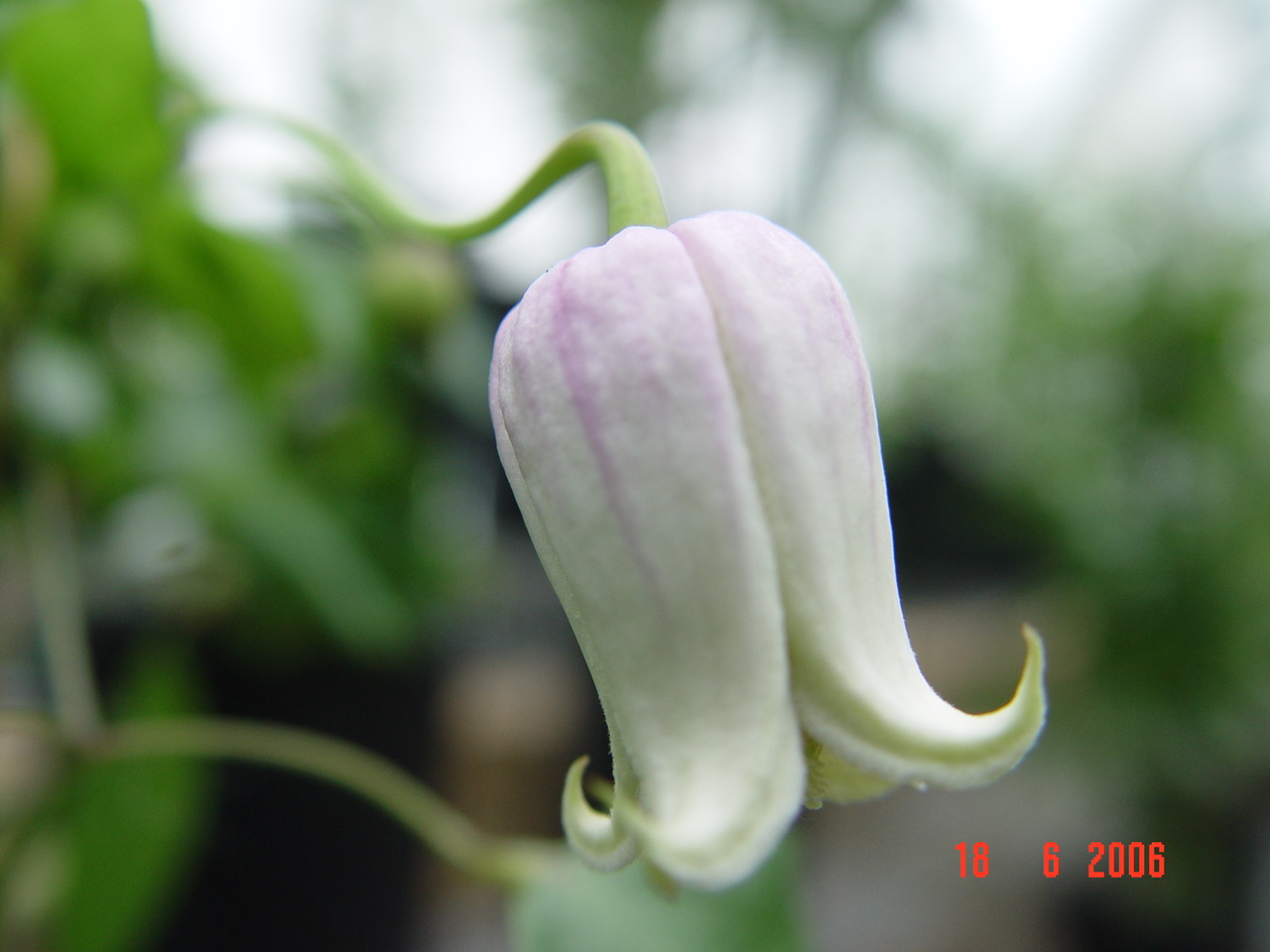
NS G134F
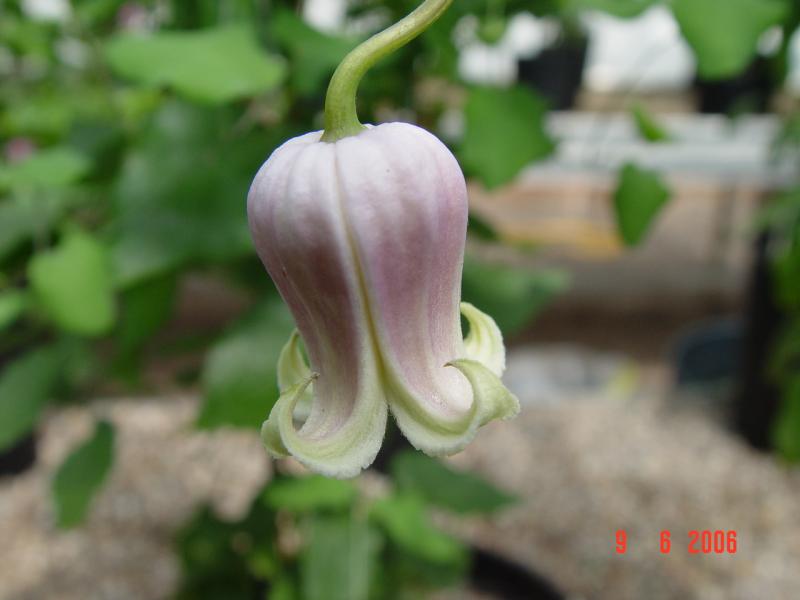
NS G135C
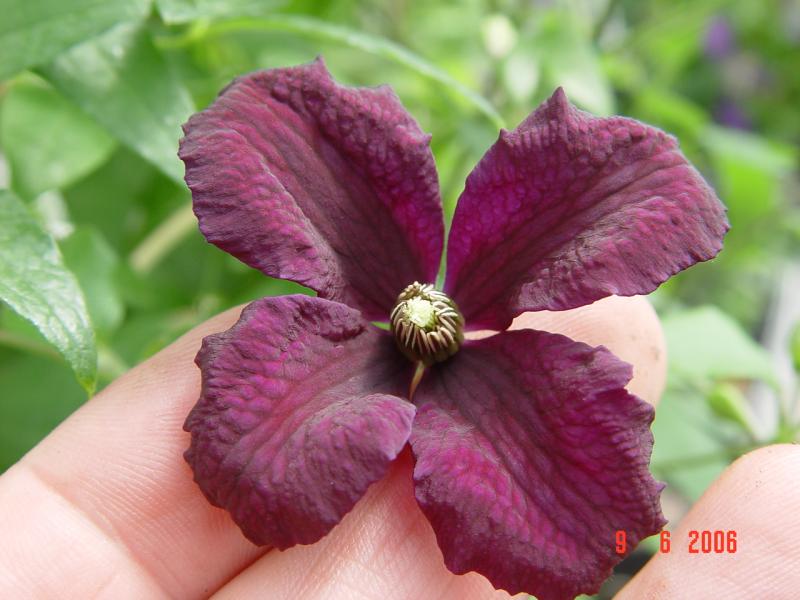
NS G135C
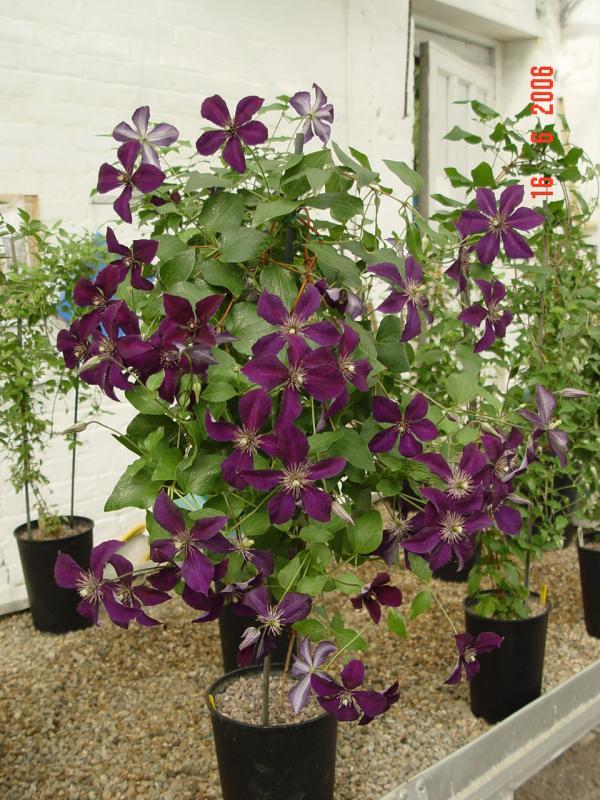 growing on a solitary vine
NS G136B
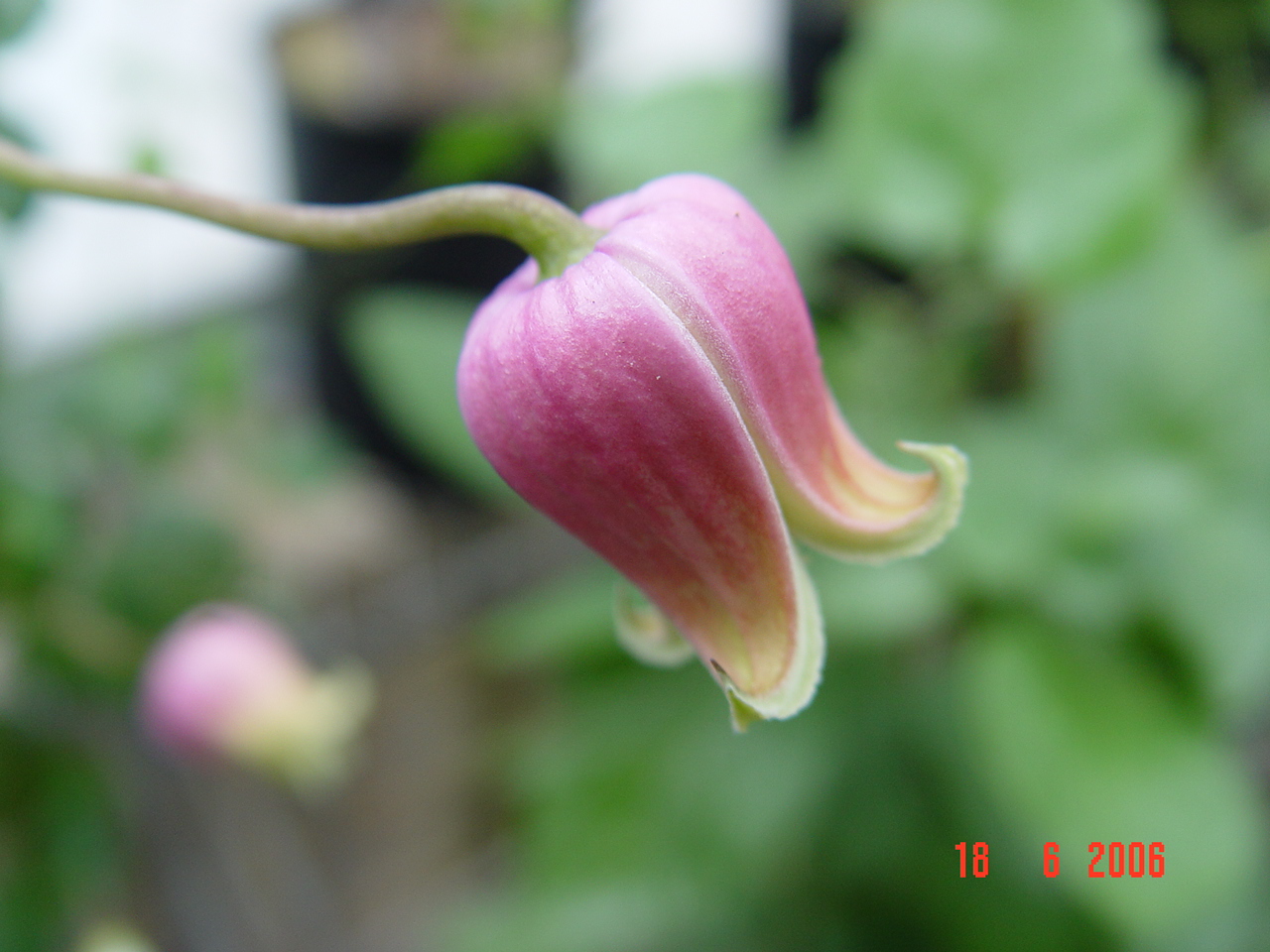
G138E
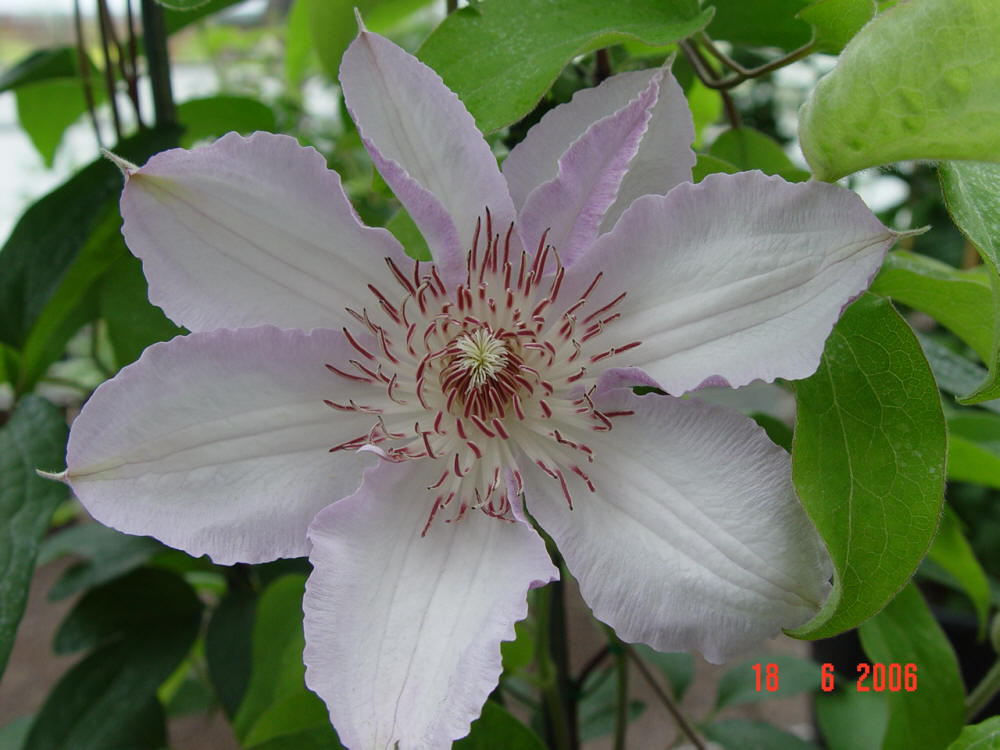 daughter of "Helen Cropper"
G138G
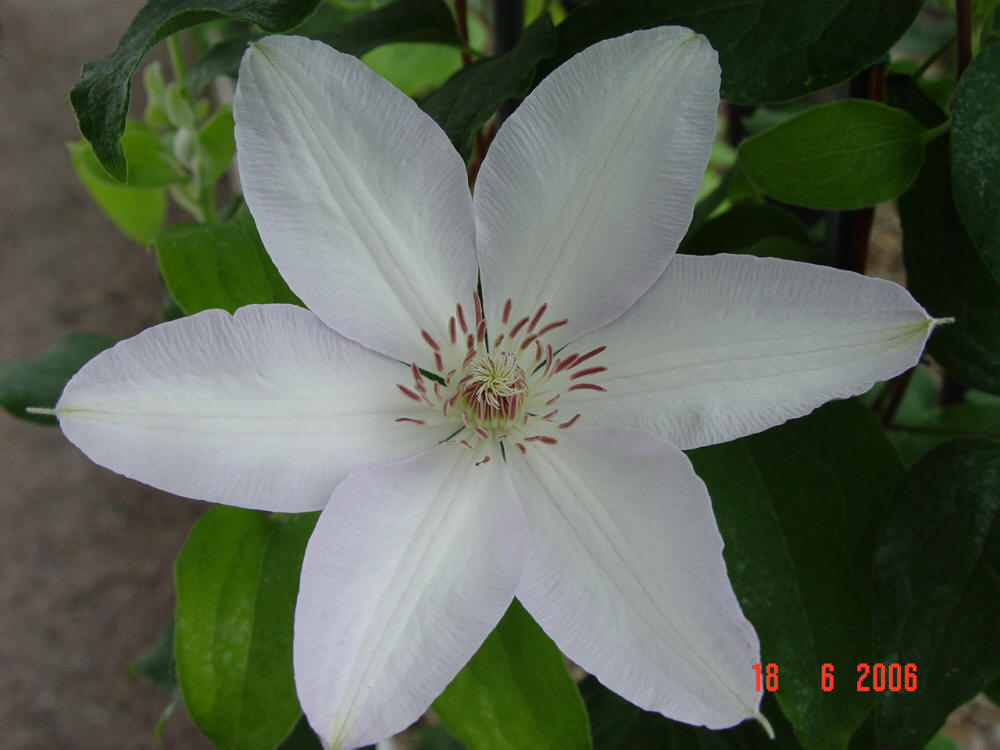 daughter of "Helen Cropper"
NS G141H
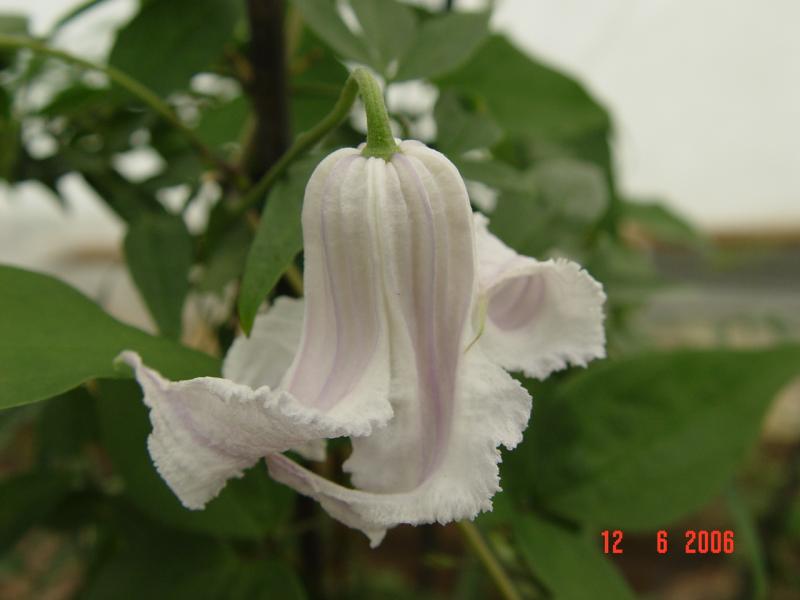
NS G144A
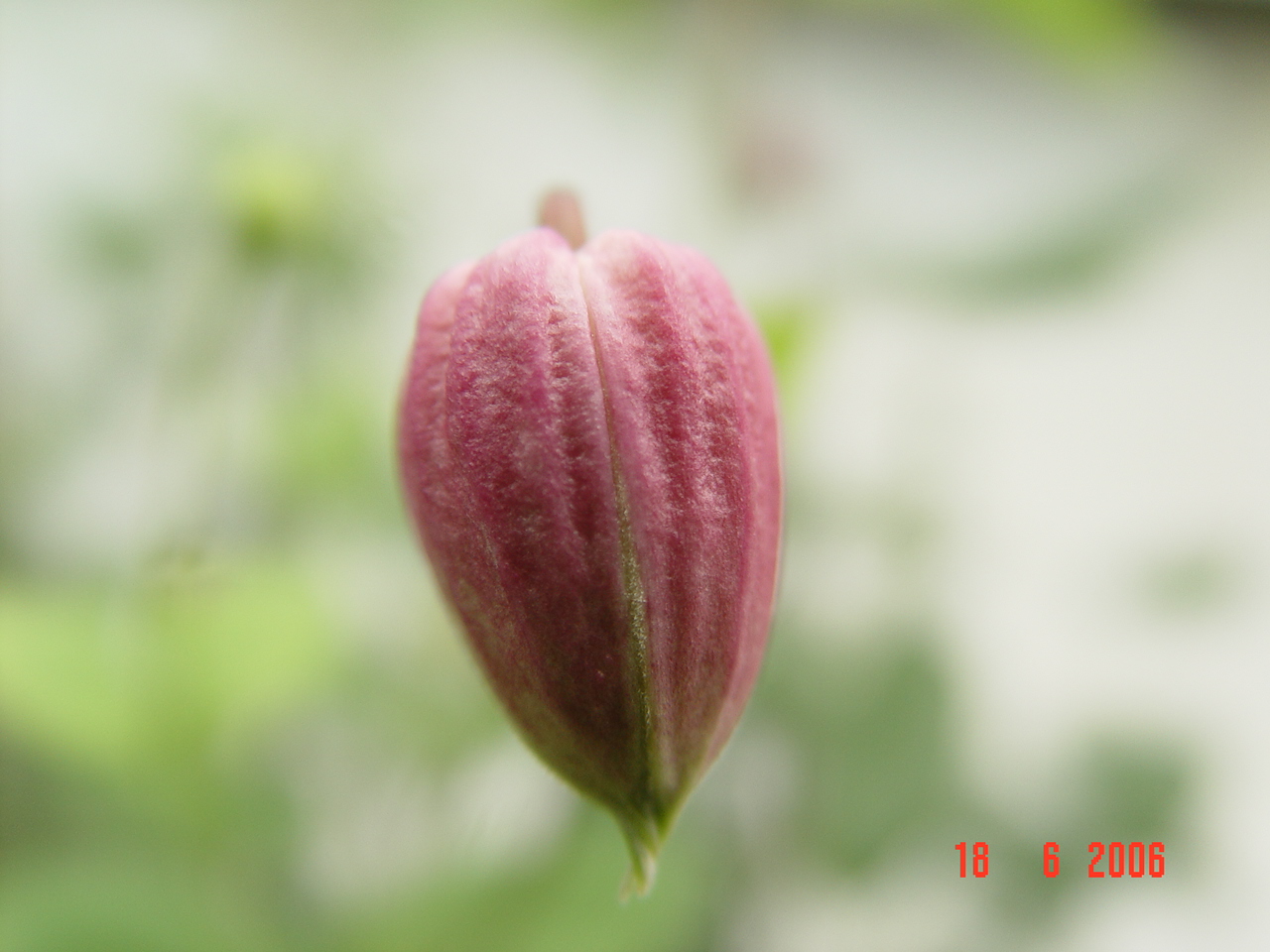
NS G144E
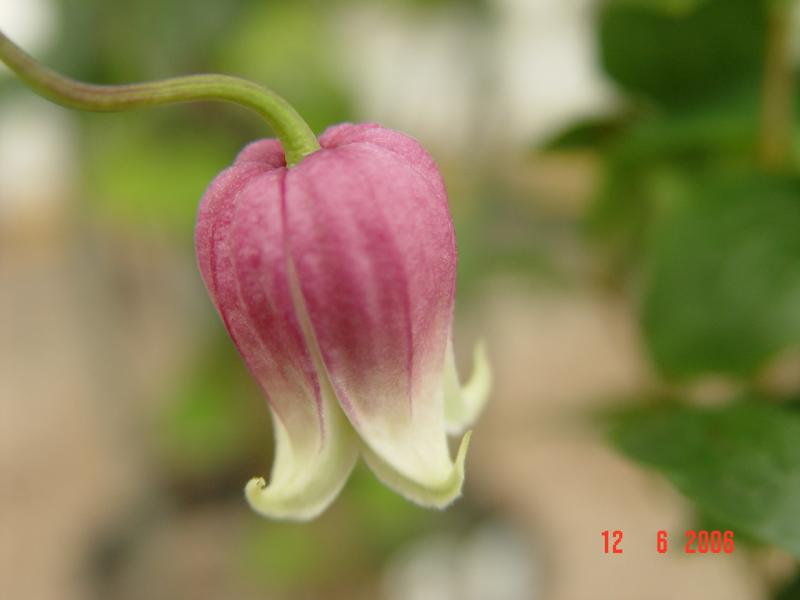
NS G144L
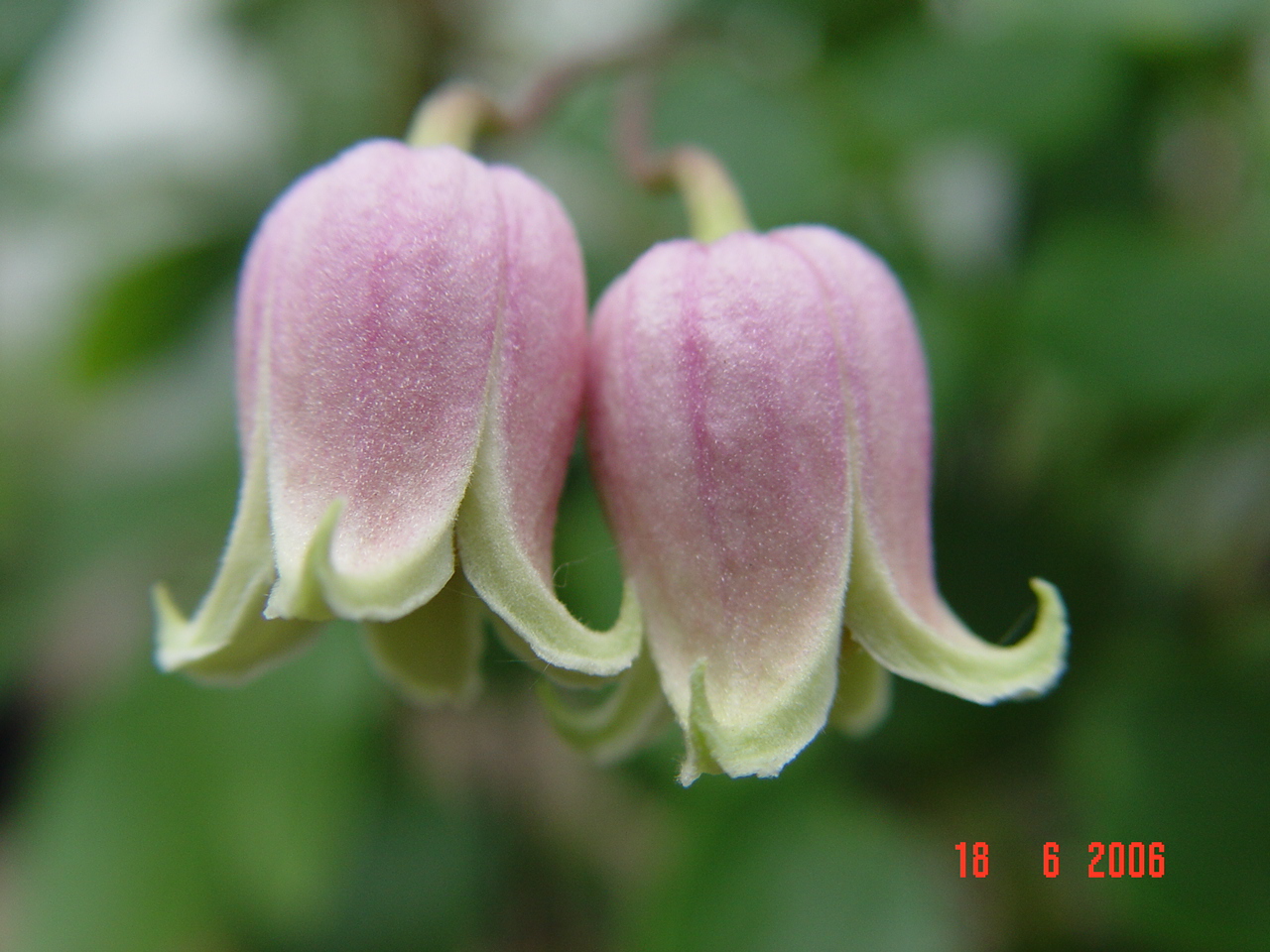
NS G145J
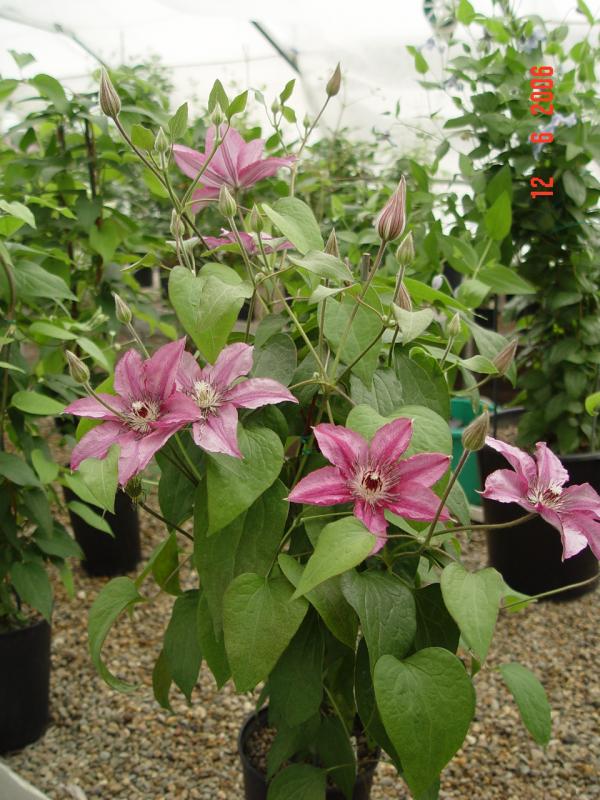 daughter of "Helen Cropper"
G145O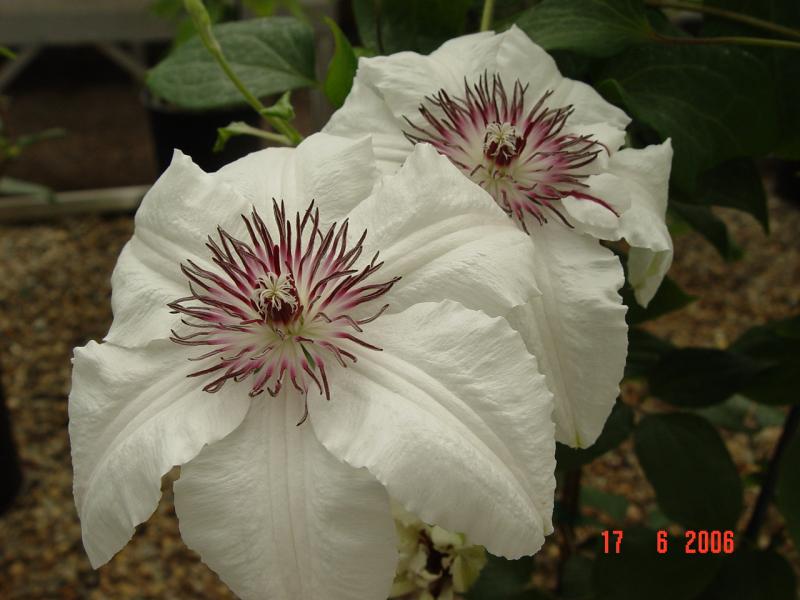
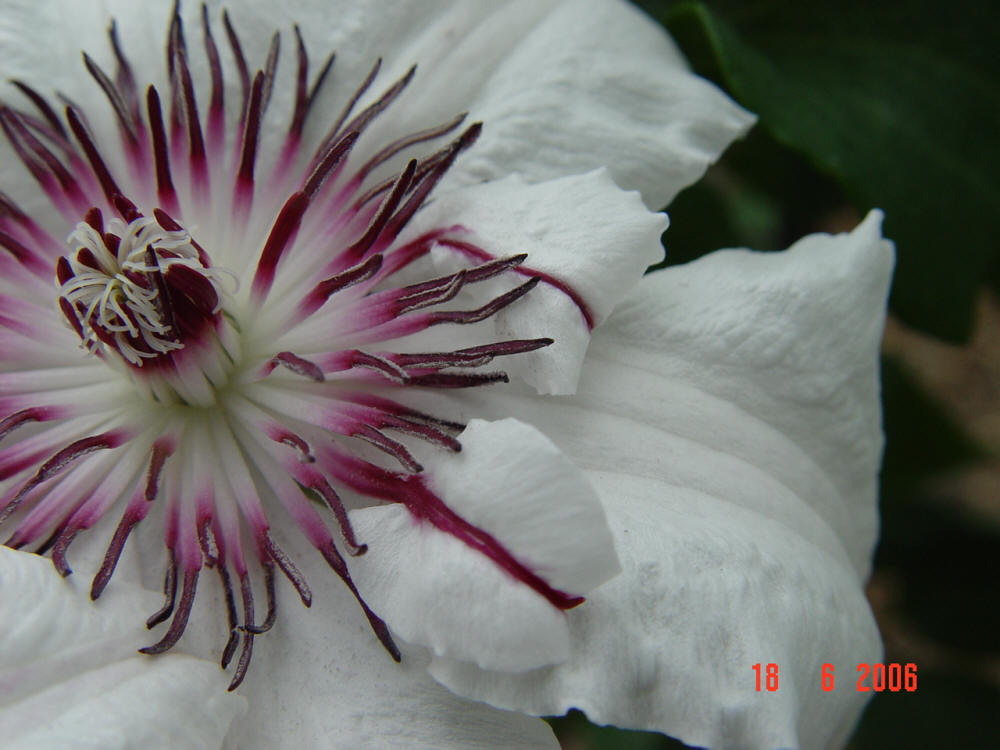 daughter of "Helen Cropper"
NS G151B
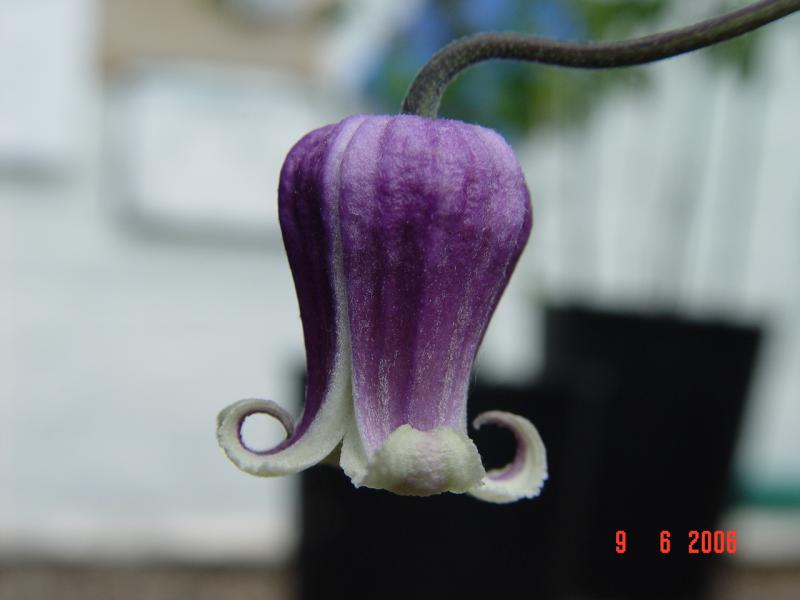
NS 154A
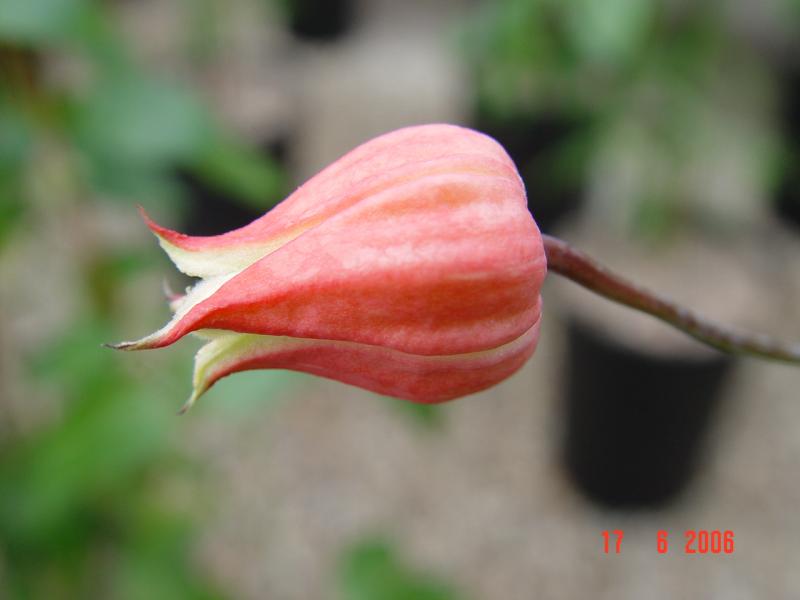
NS G156B
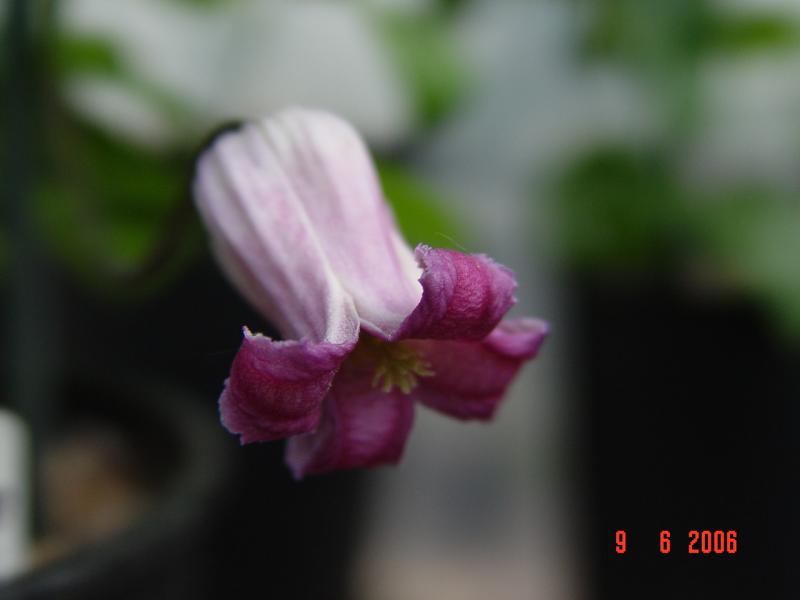
NS G158F
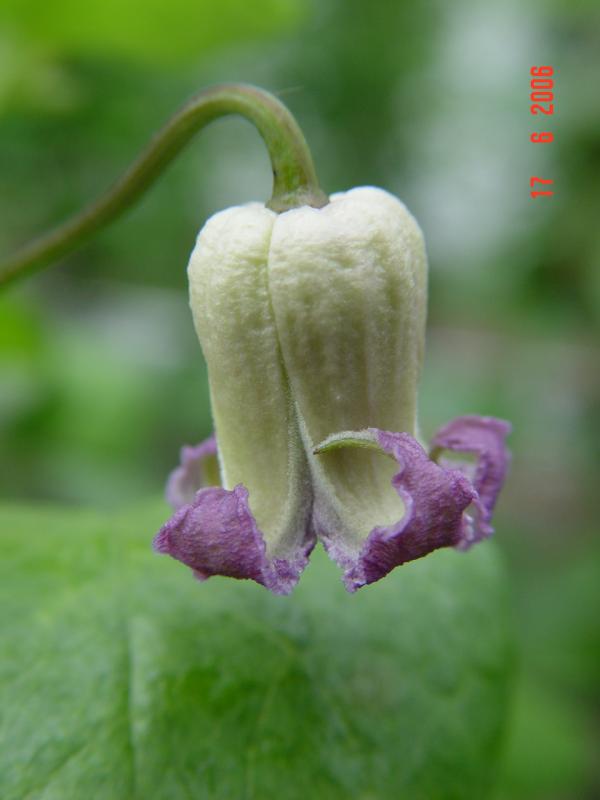
NS G158A
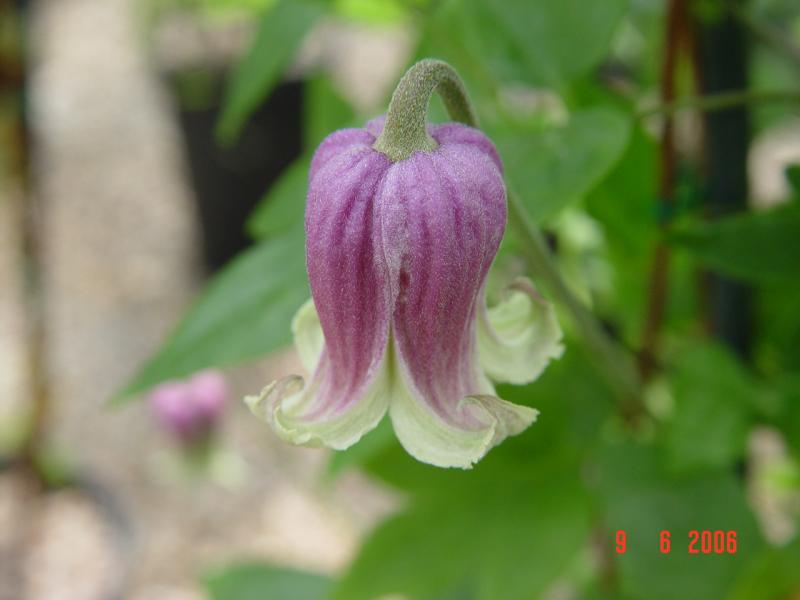
New Seedling G163A
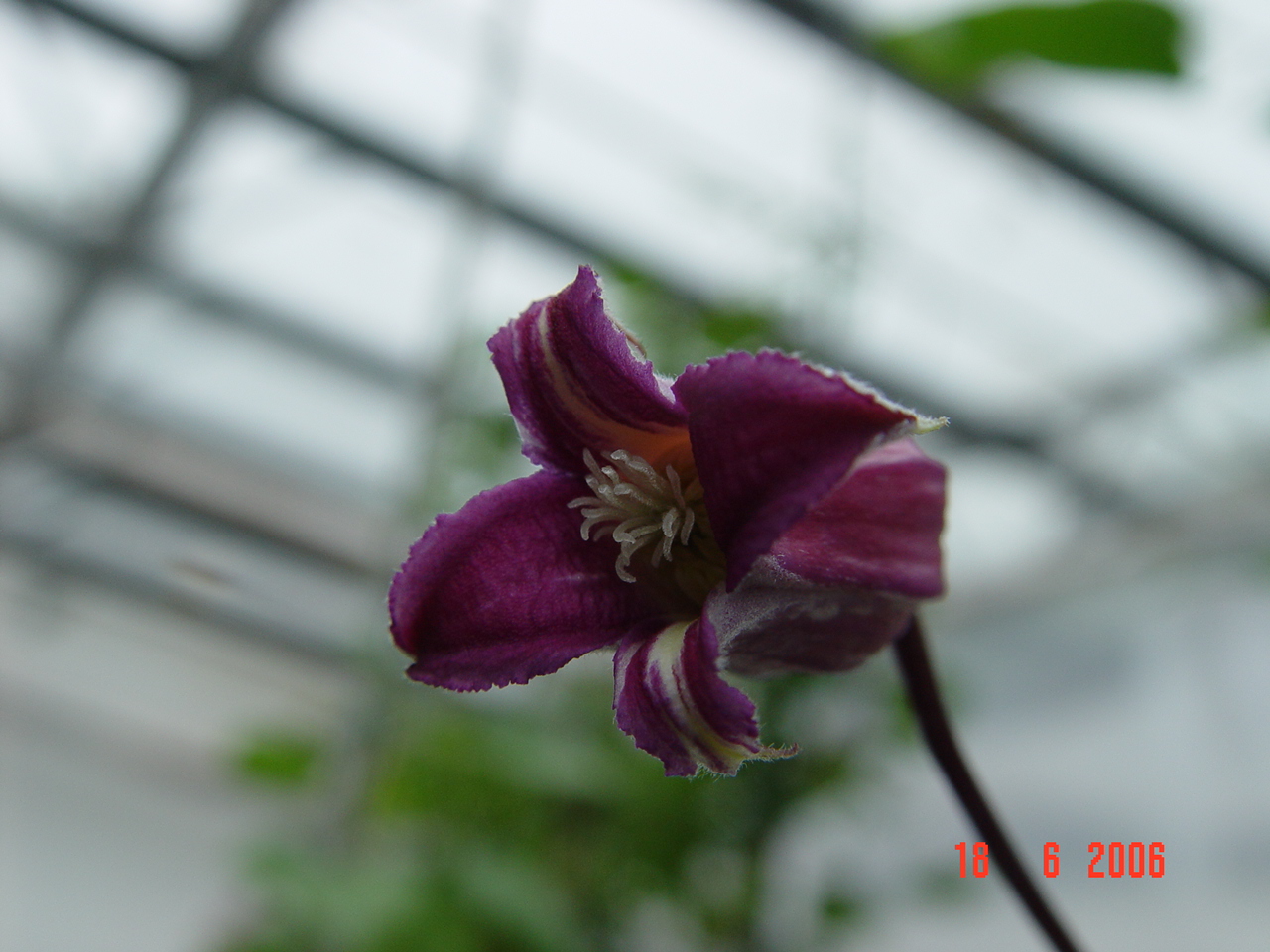
NS G163B
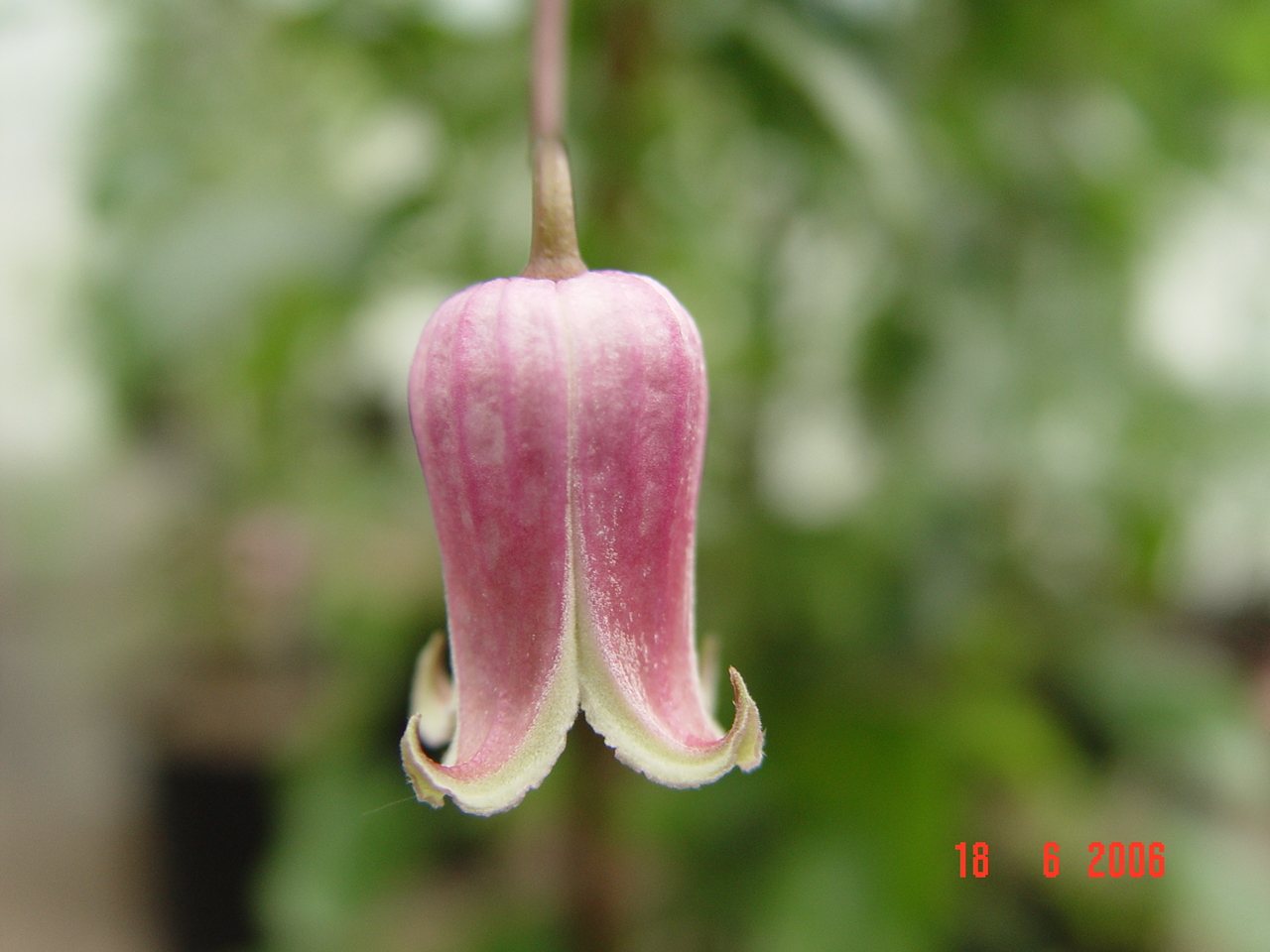
NS G163C
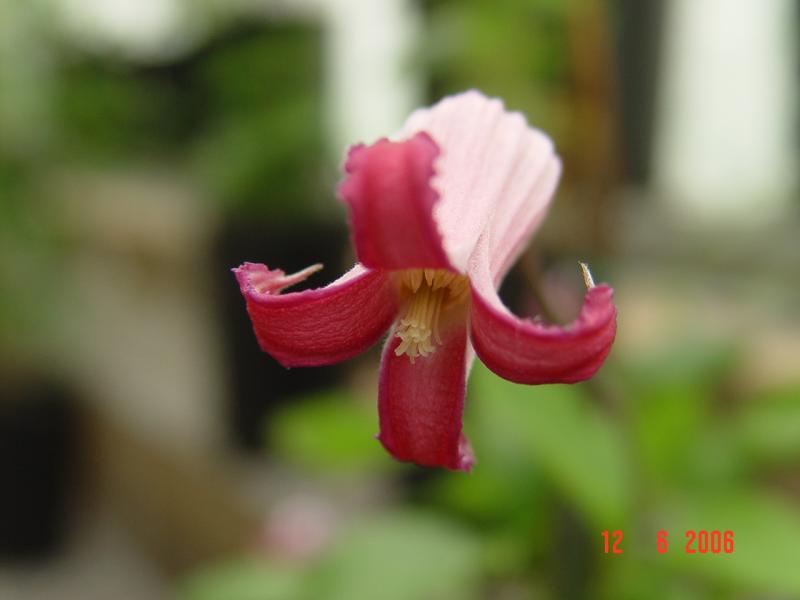
Plant 164
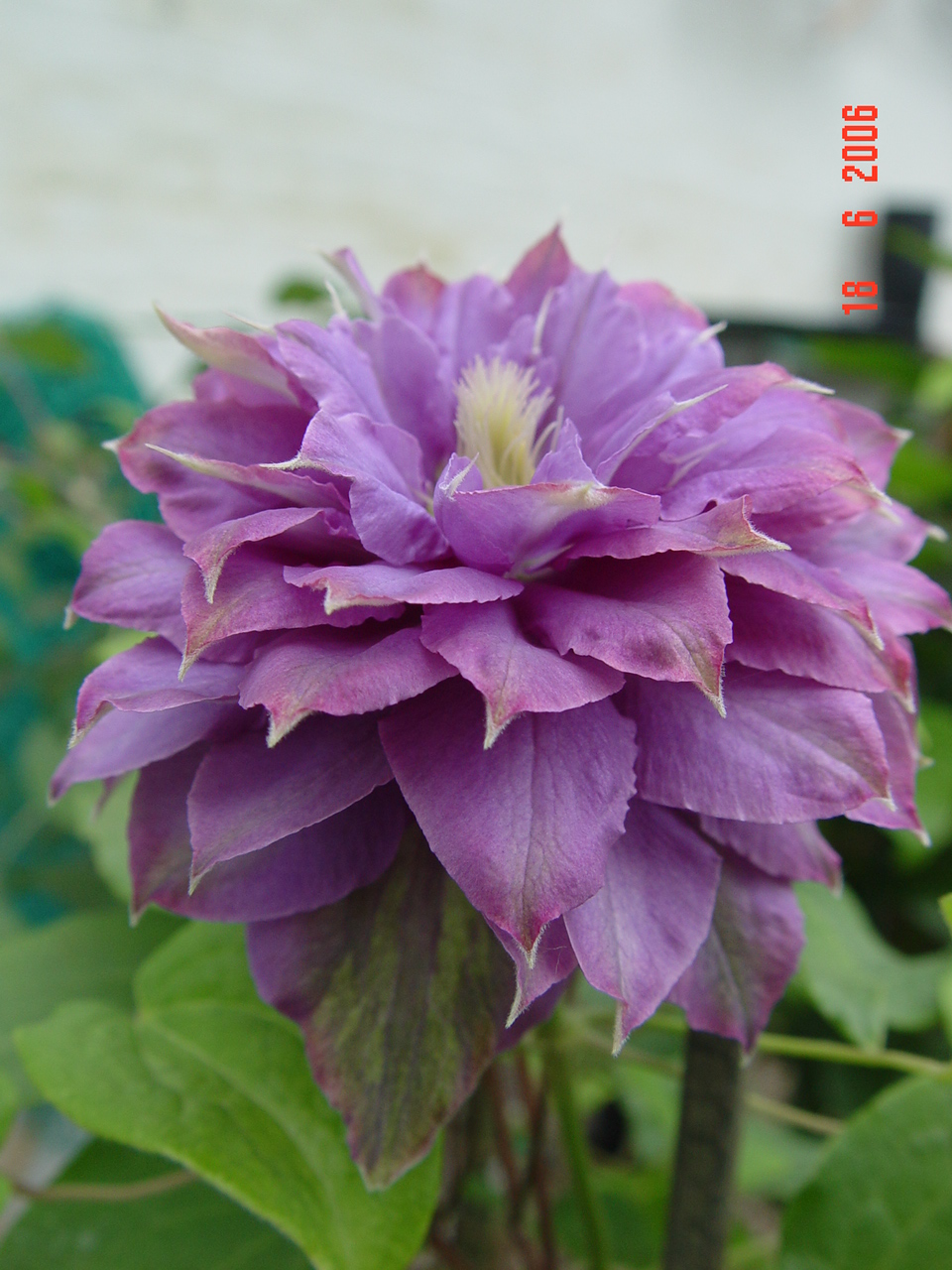 "Moira"
G170B
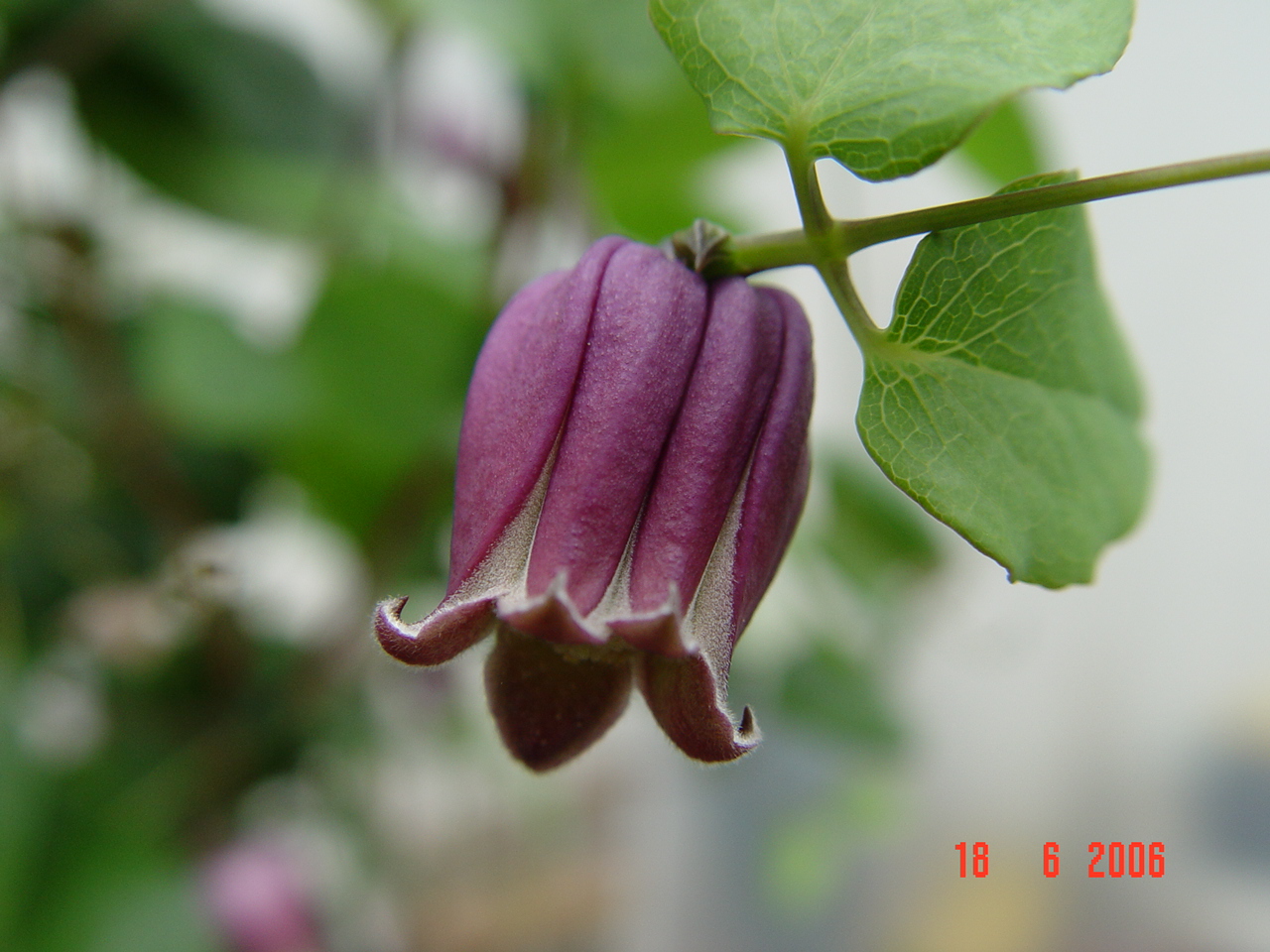
NS G172A
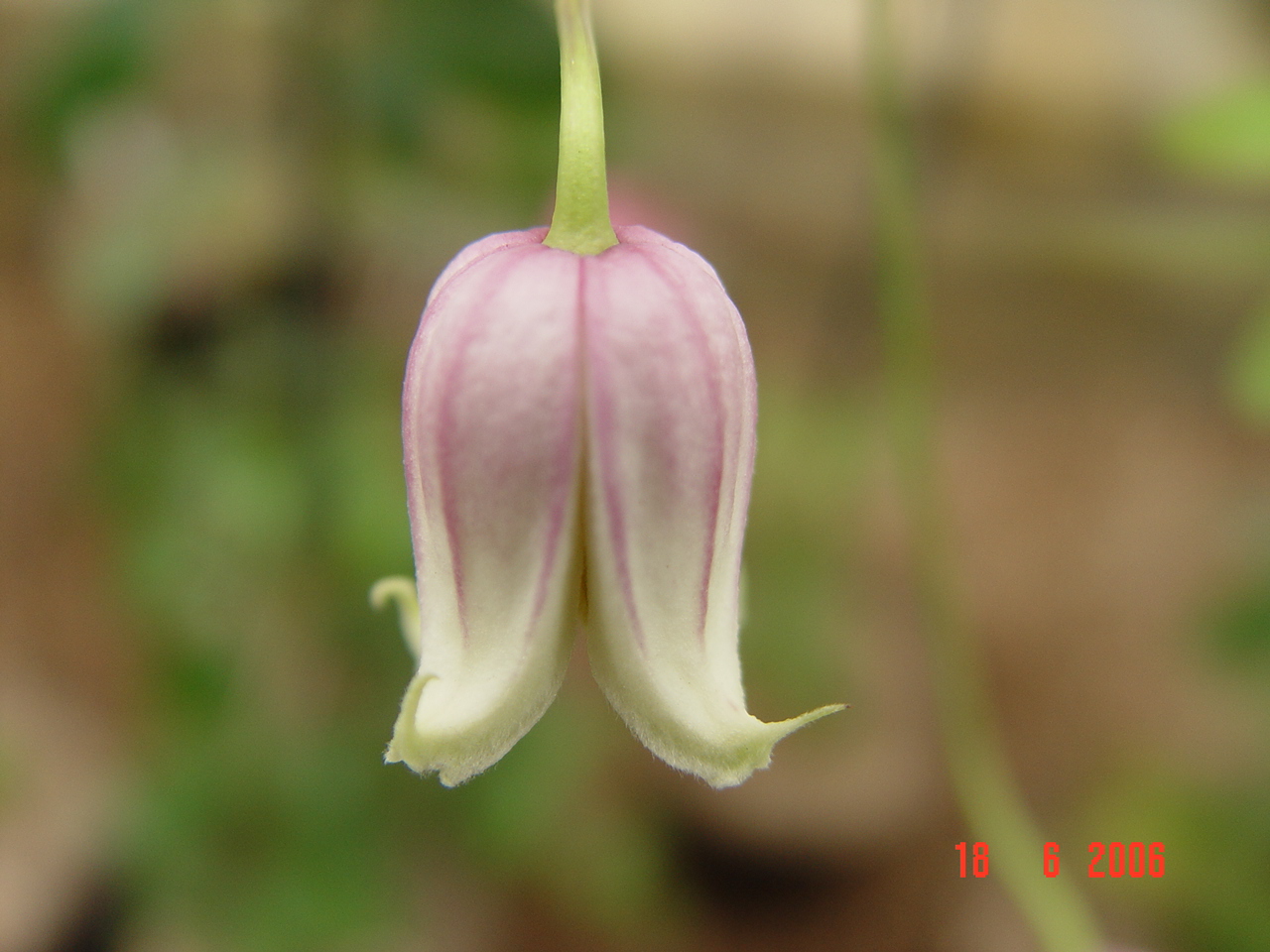
Plant 190
 grown as var. scottii
Plant 191
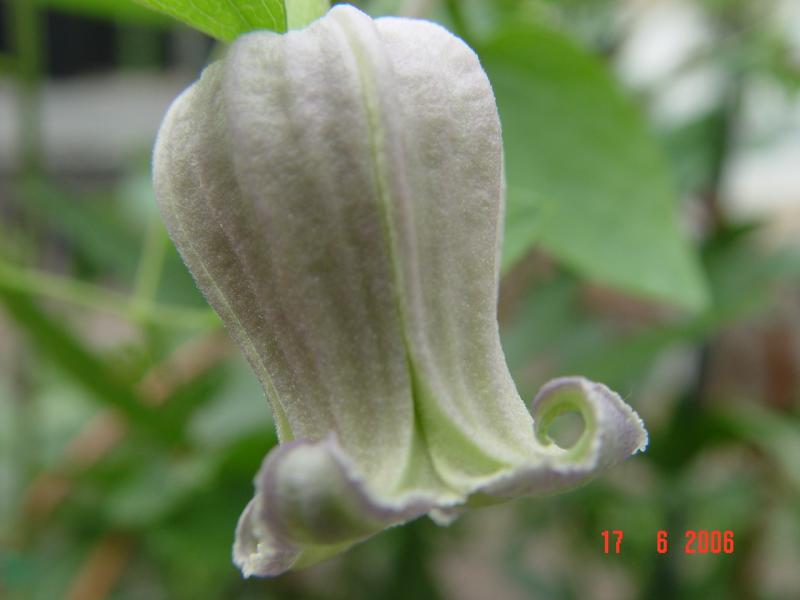
Plant 192
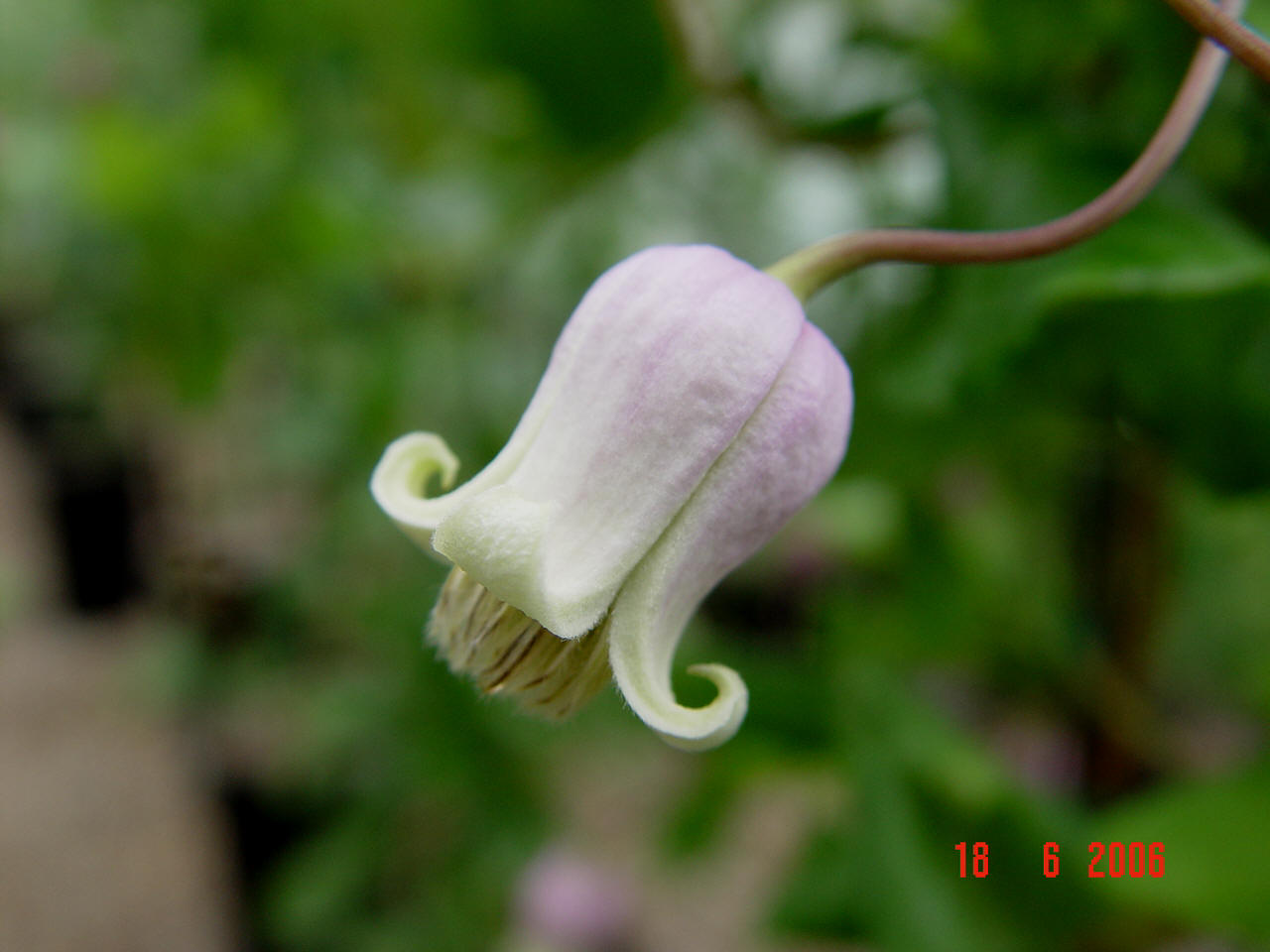
The house in June
Note "Varishade" on glass
Plant 207
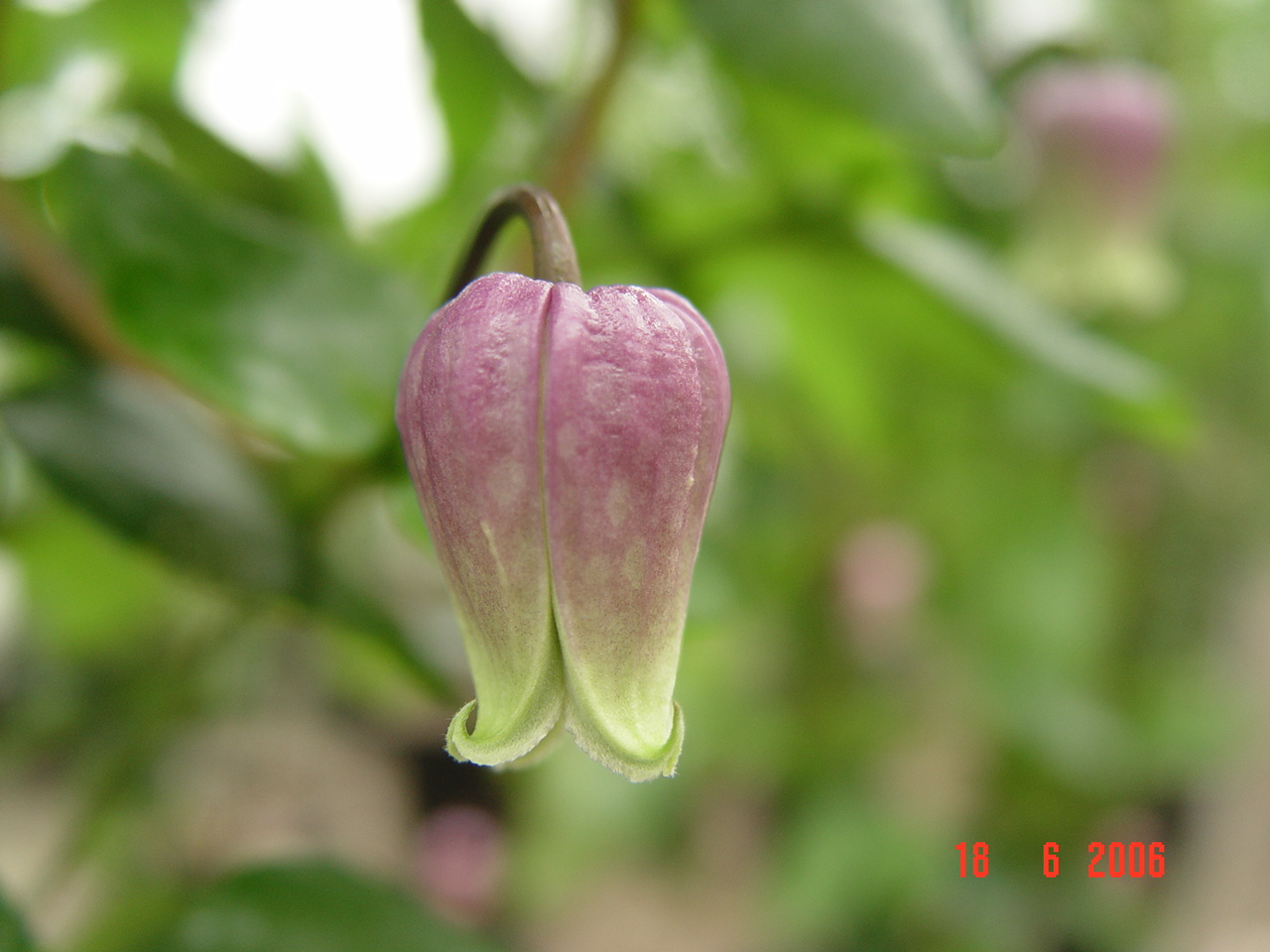
Plant 217
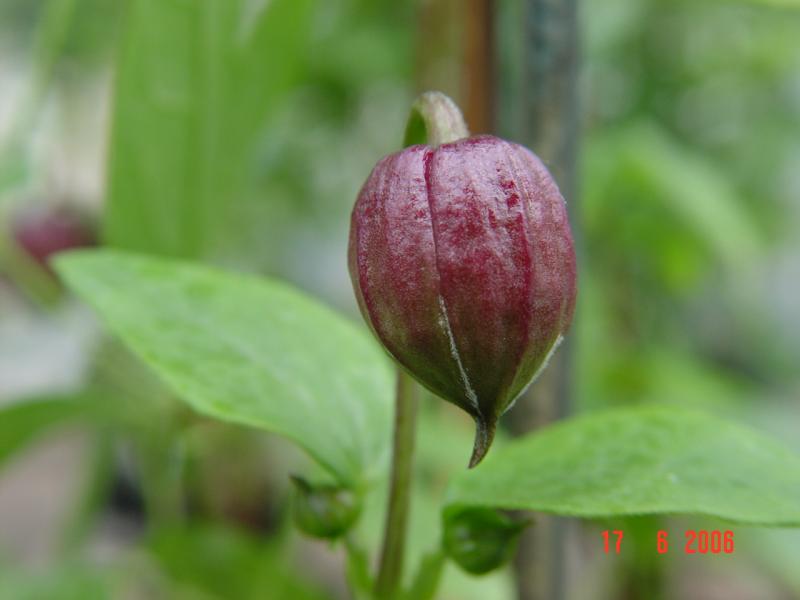
Plant 225
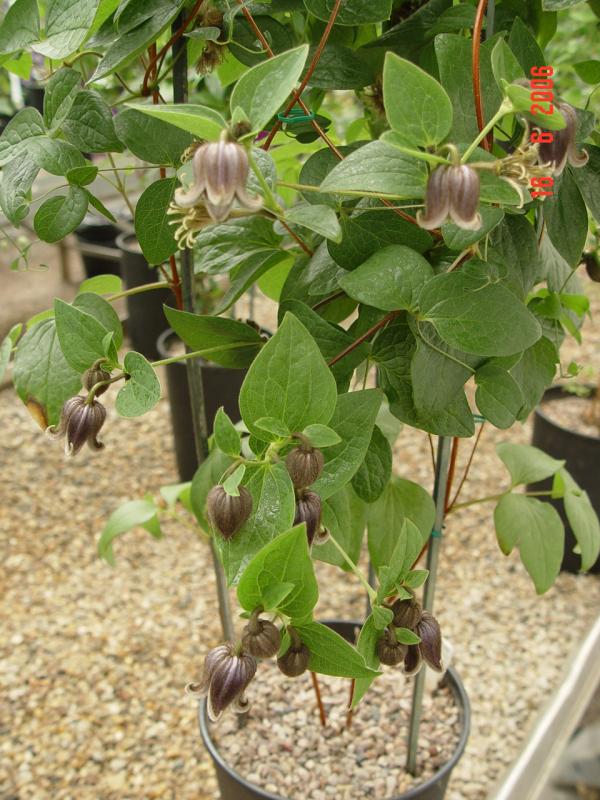 C. fusca Kamtschatica
25th June 2006
Some more new plants in flower now or recently.
G155B, not the best photo ever but a completely
beautiful new plant of C. texensis with wonderful form and colour.
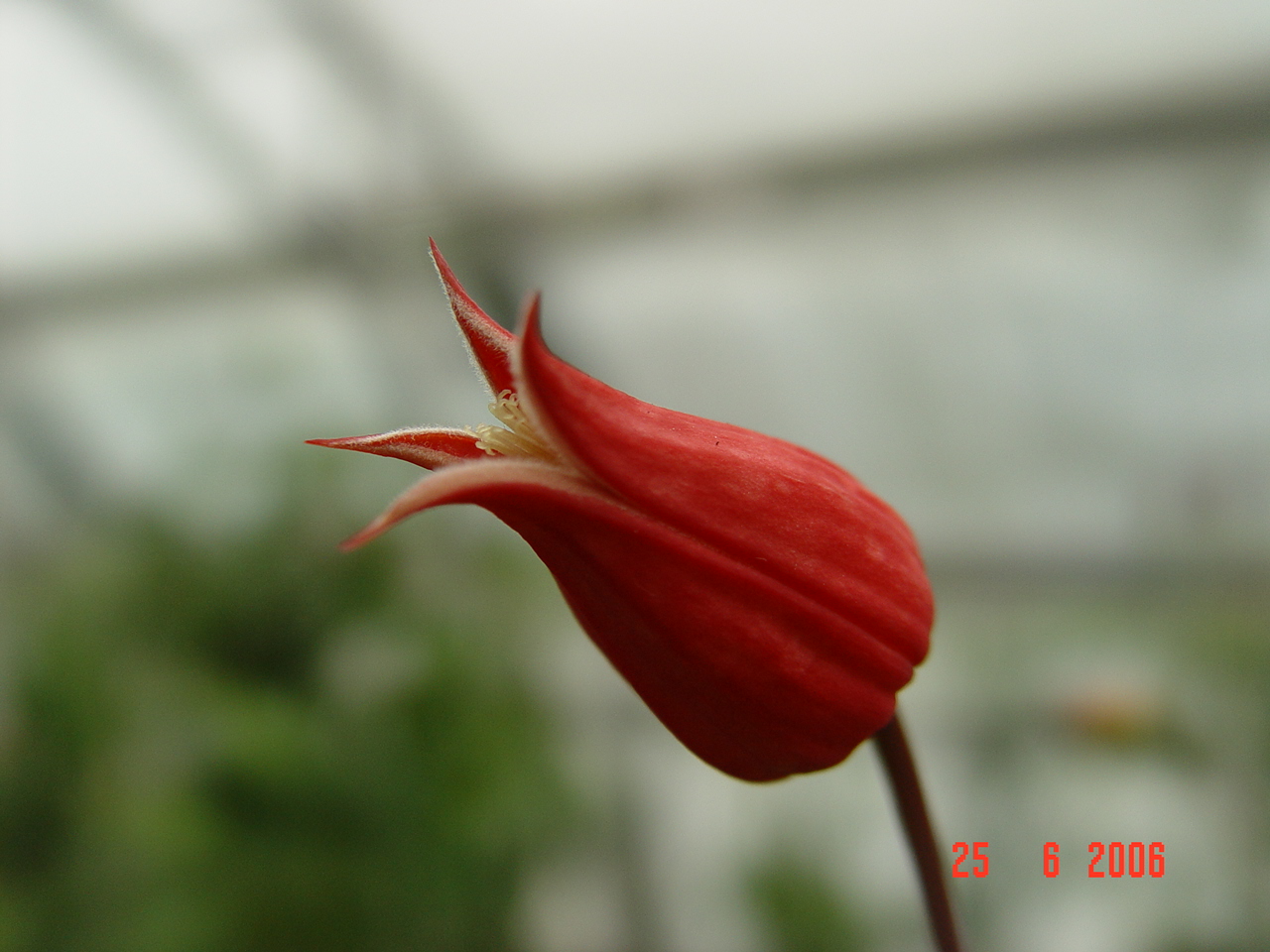
G158D just arriving!
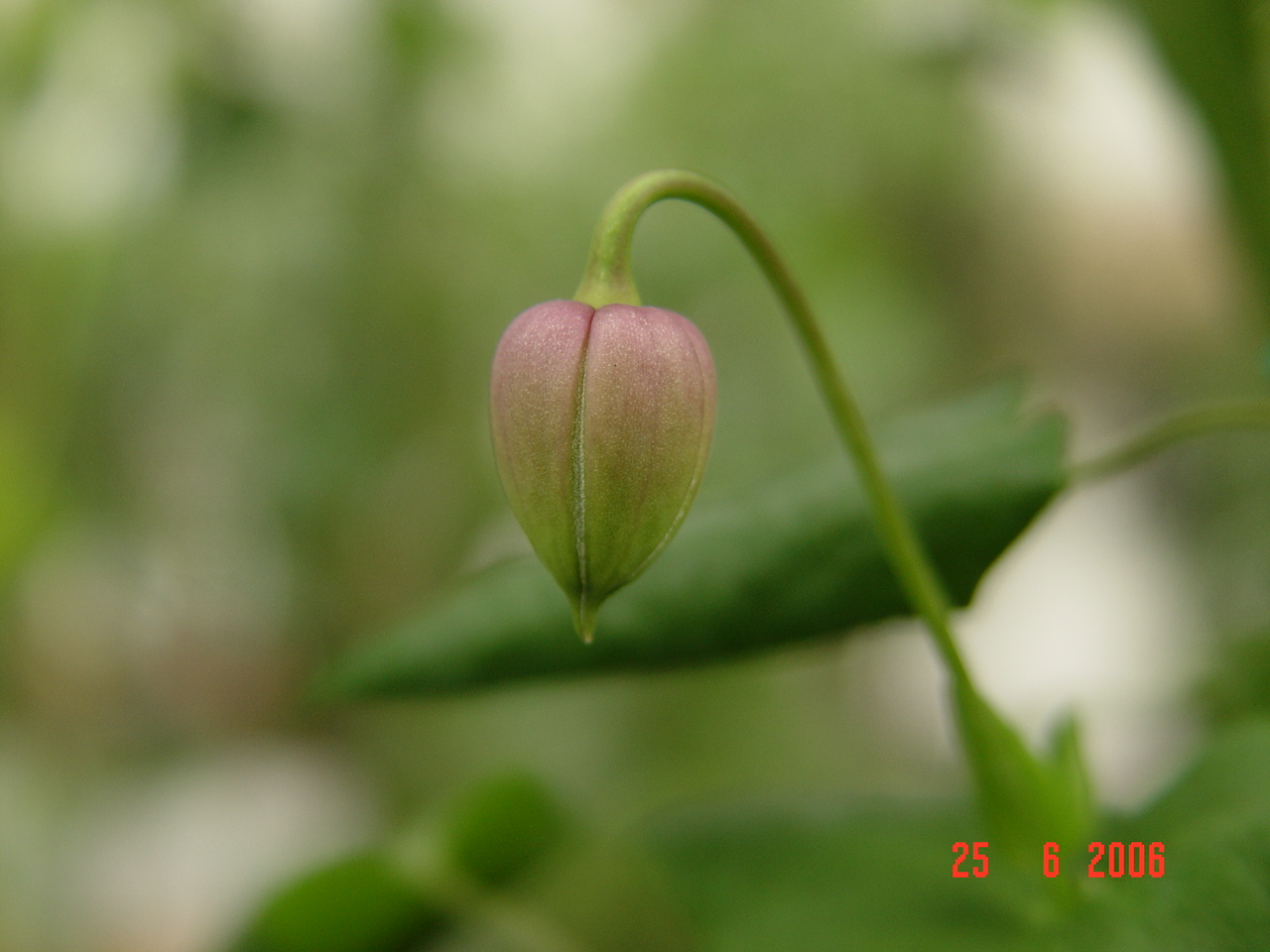
G139C C. florida species new seeedling
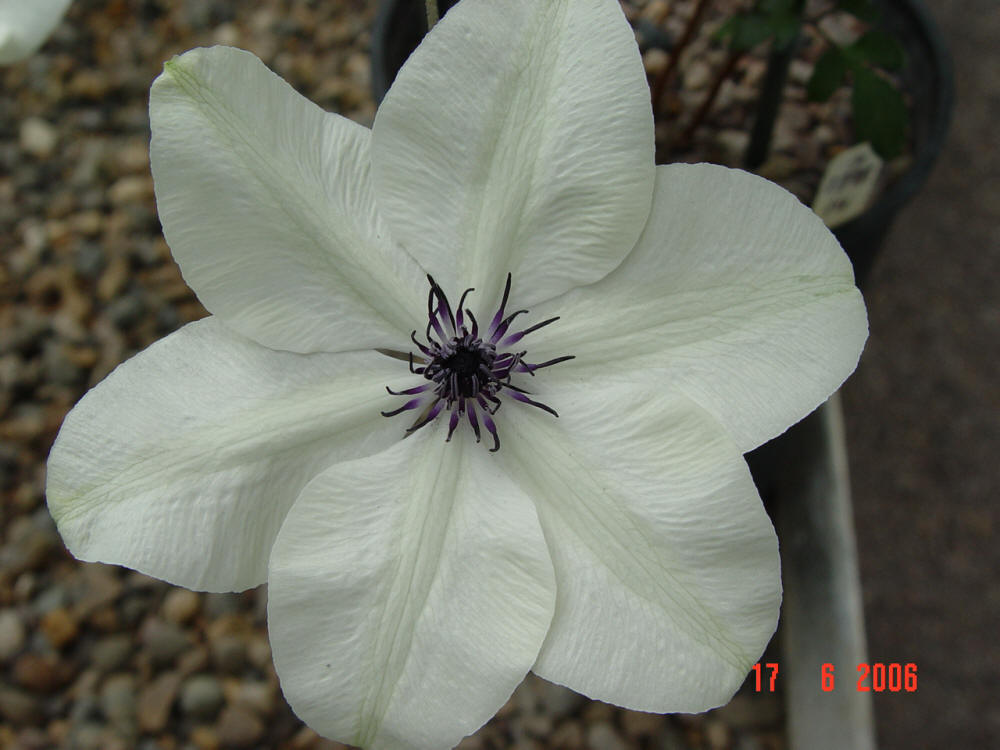
G141F C. crispa
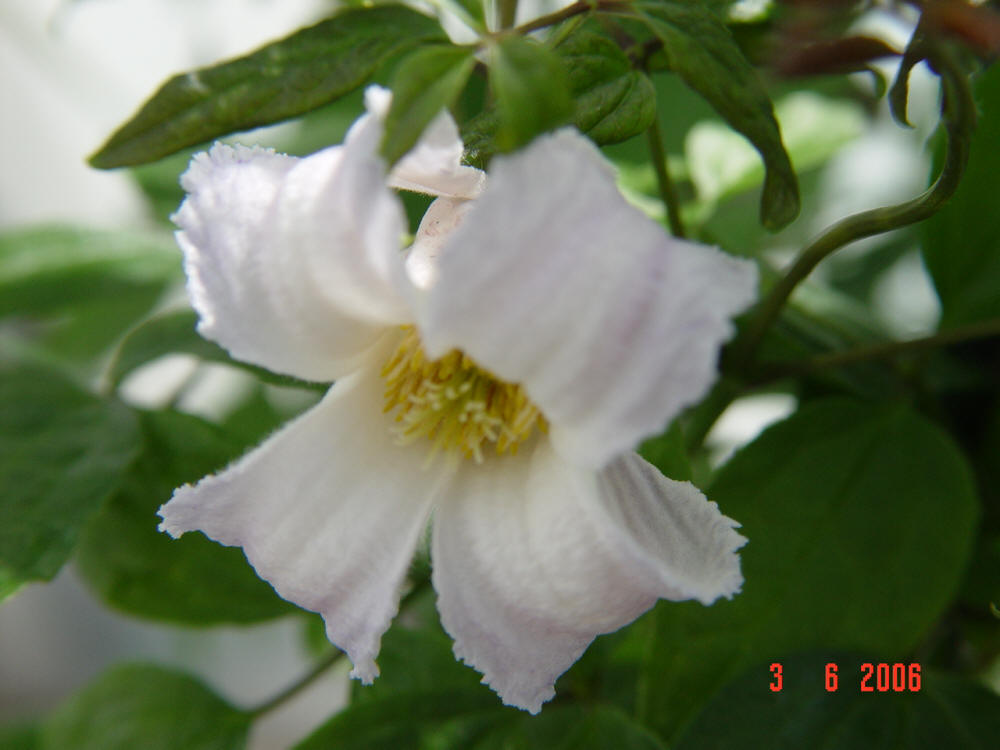
G141H C. crispa
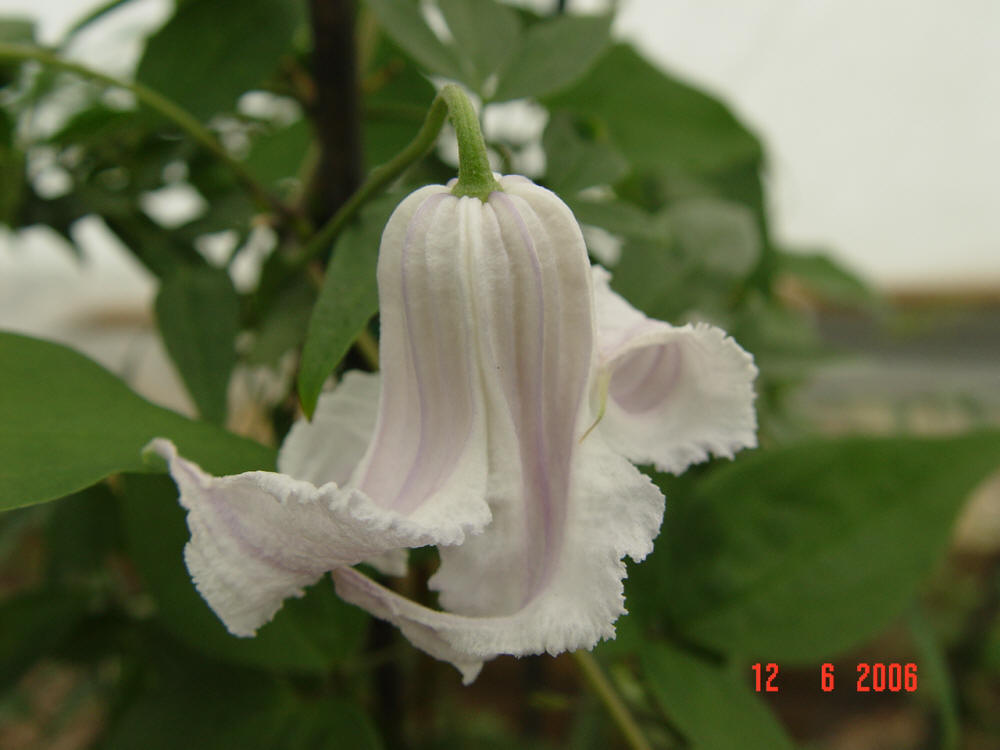
G144F
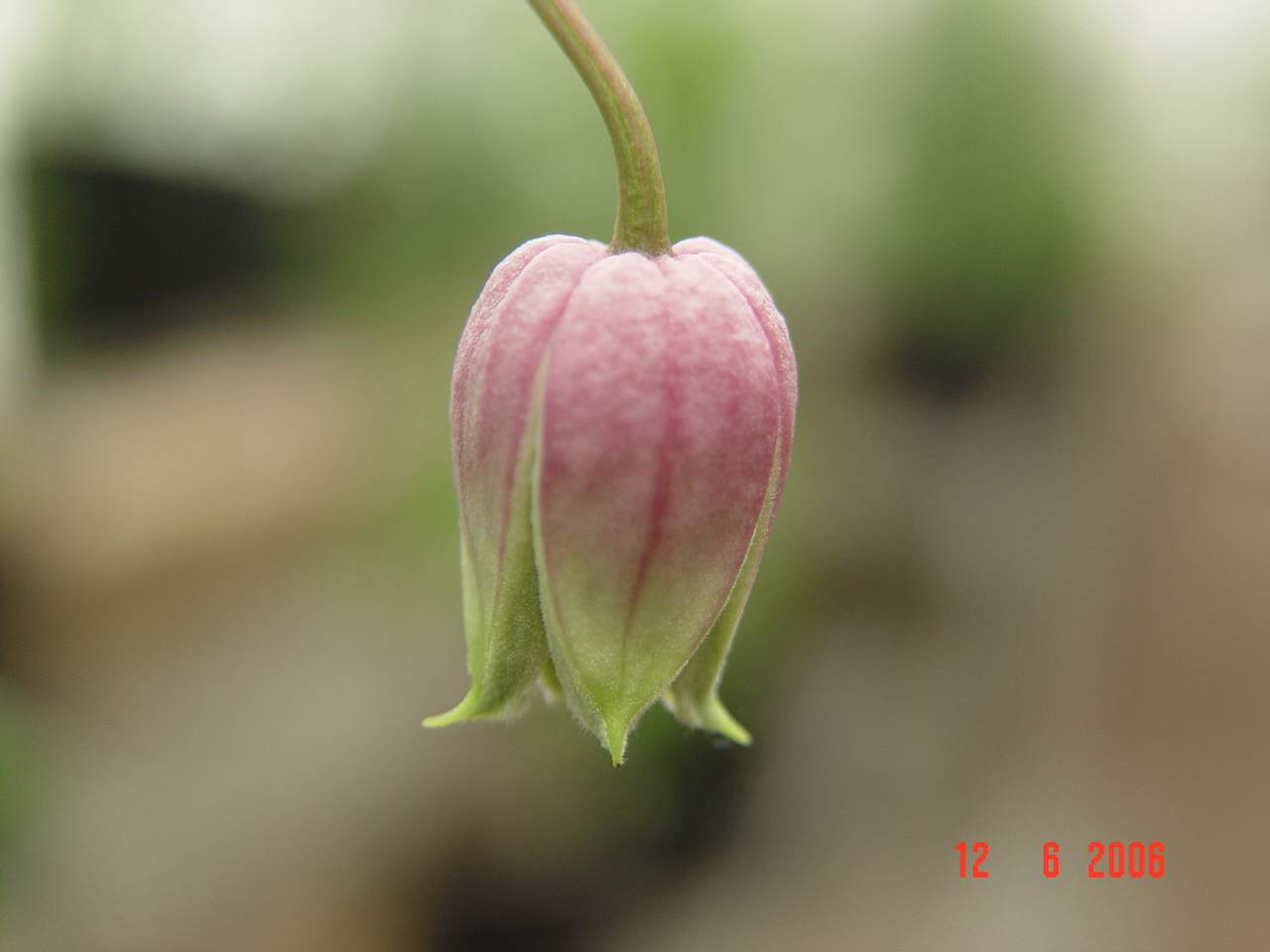
G145C
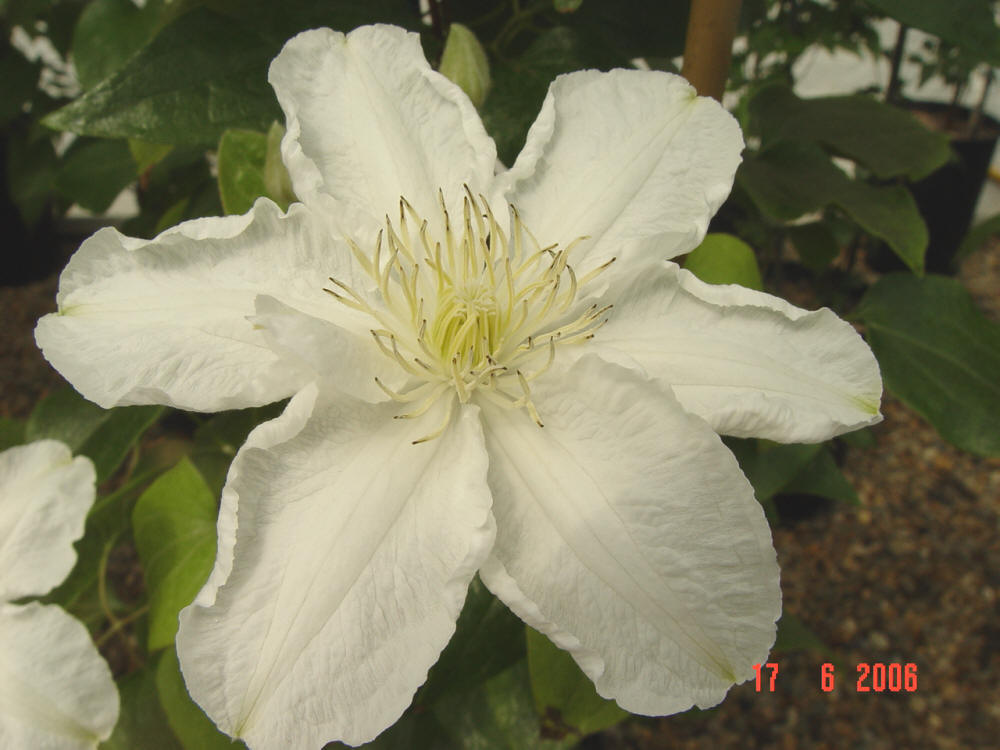 daughter of "Helen Cropper"
G145H
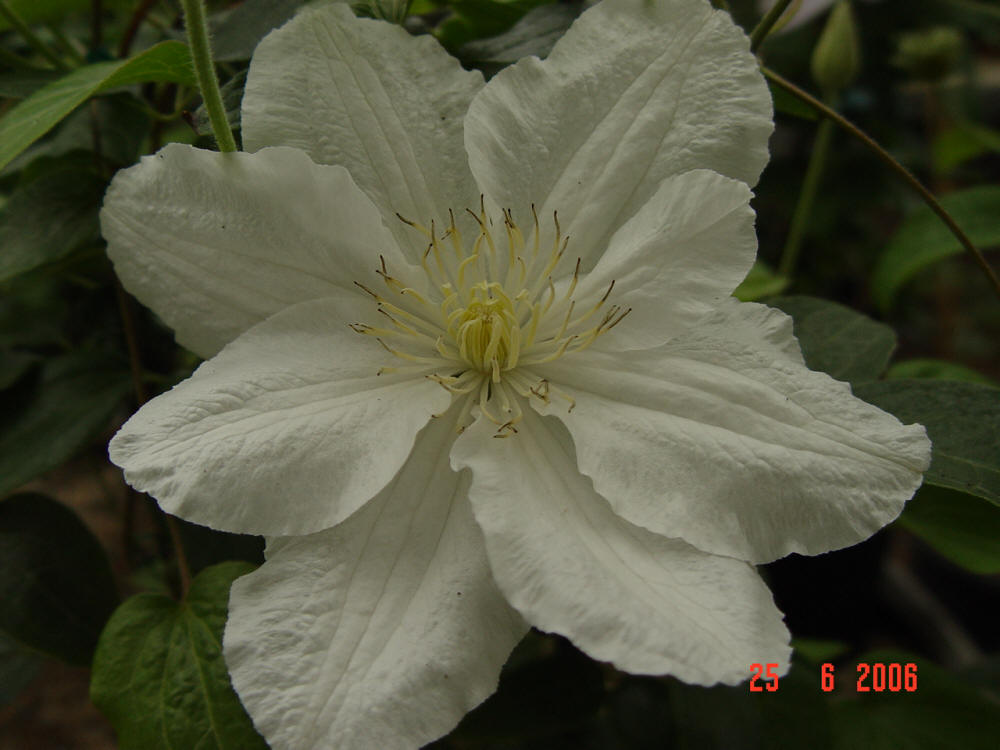 daughter of "Helen Cropper"
G148E seedling
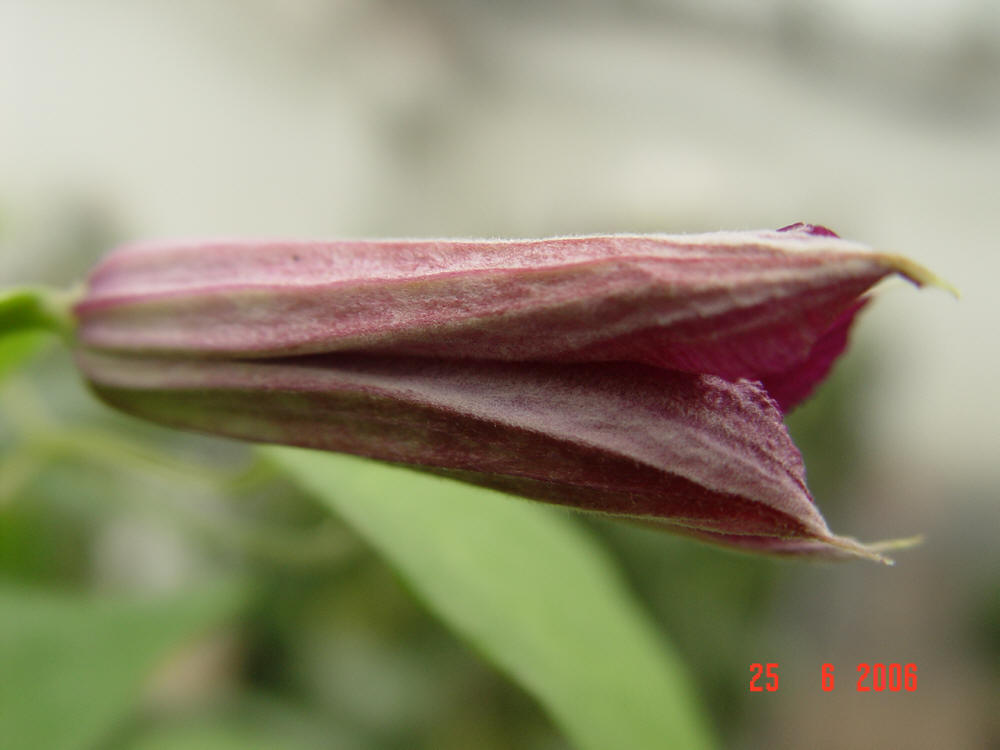
G138F sensational seedling
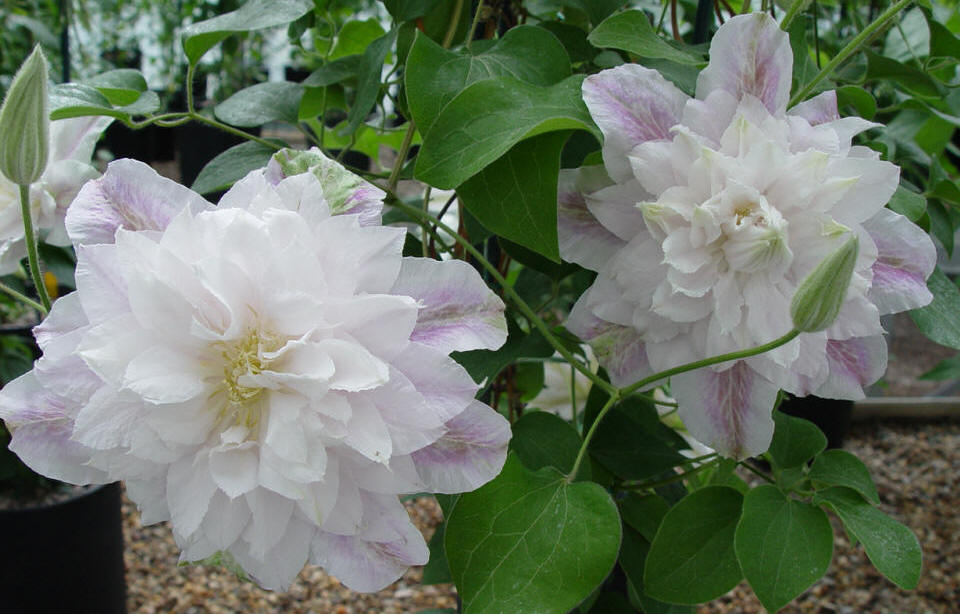
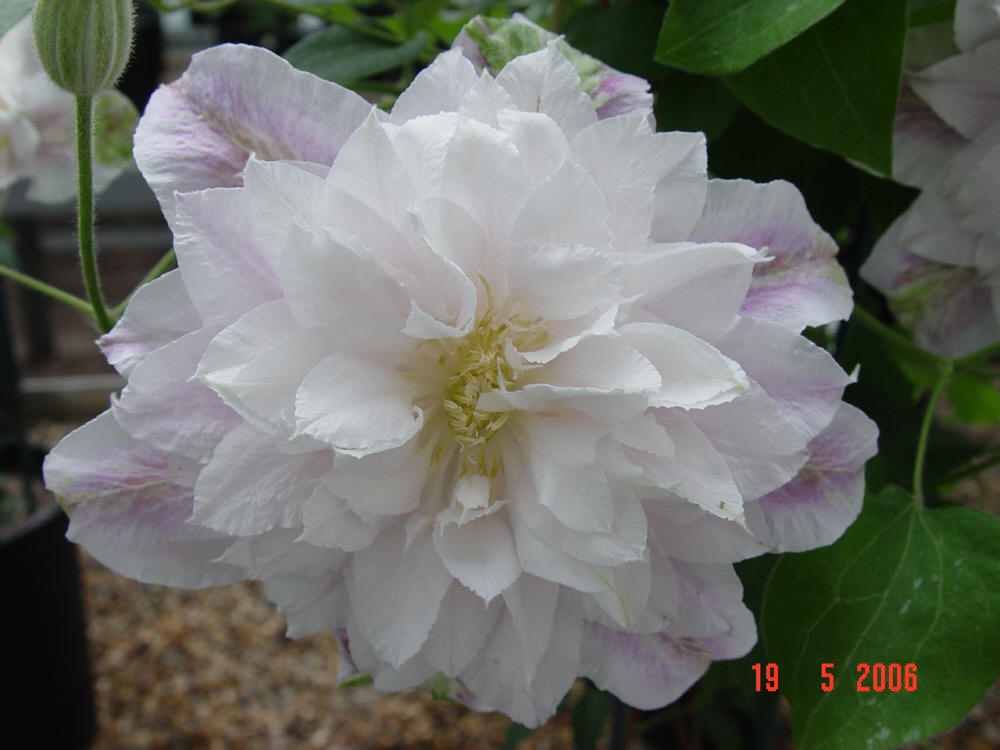 daughter of "Helen Cropper"
Going to name this one ↑ clematis "Linden Eleanor"
G138I sensational seedling
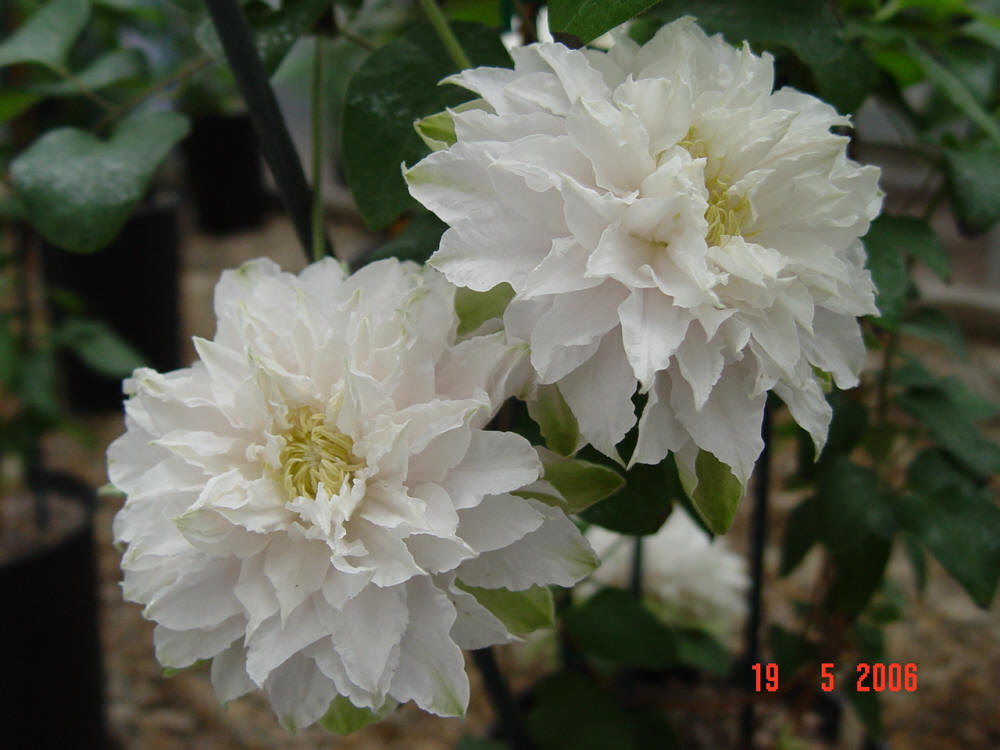
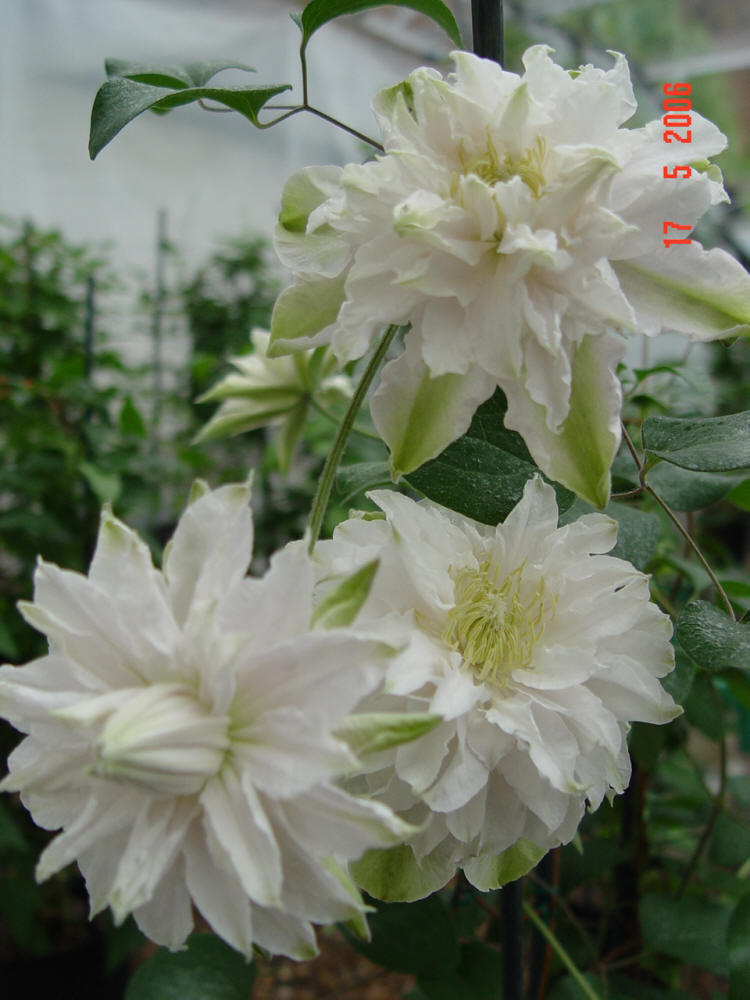 daughter of "Helen Cropper"
G138N
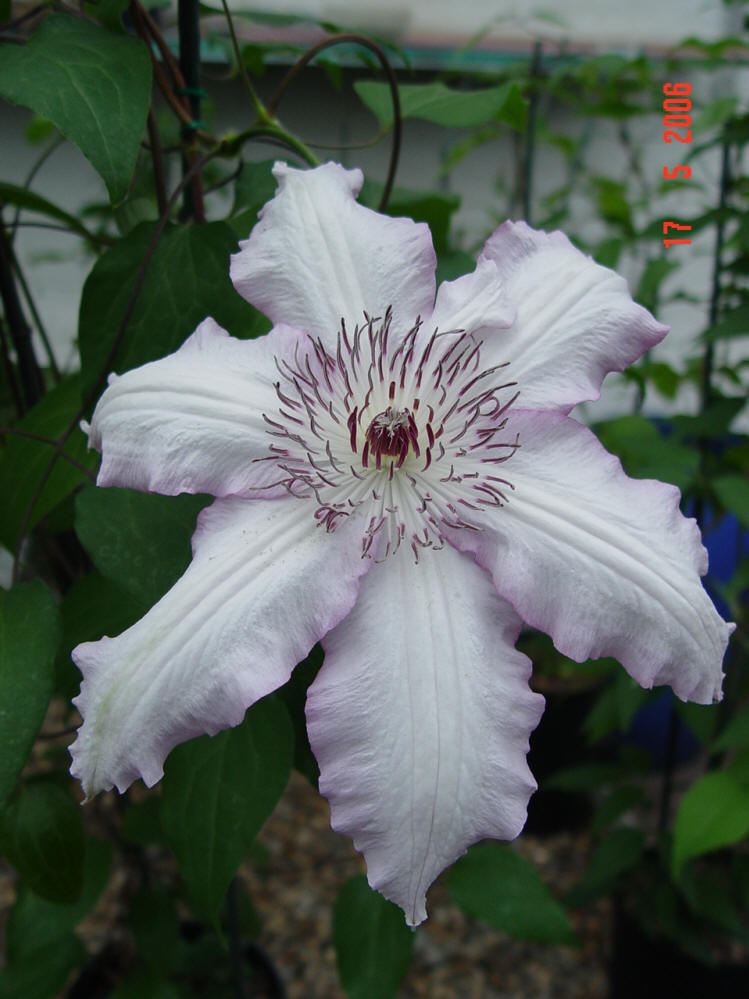 daughter of "Helen Cropper"
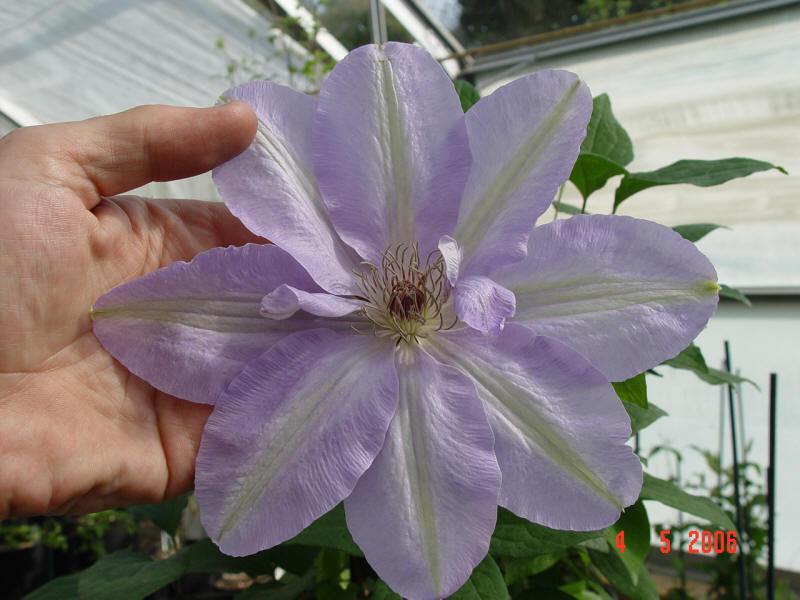
G137A enormous flower
G135A
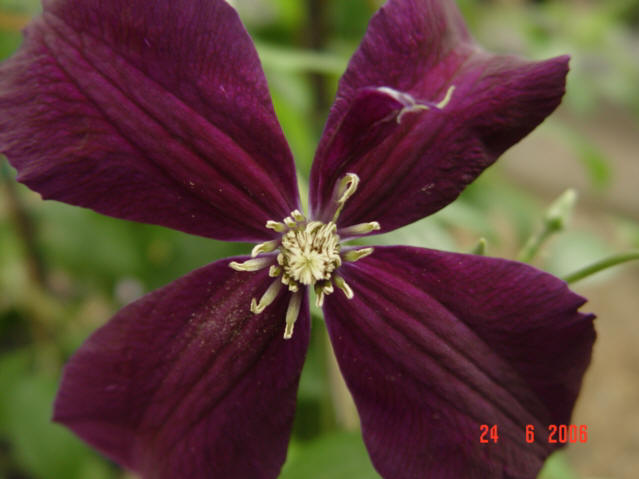 really lovely